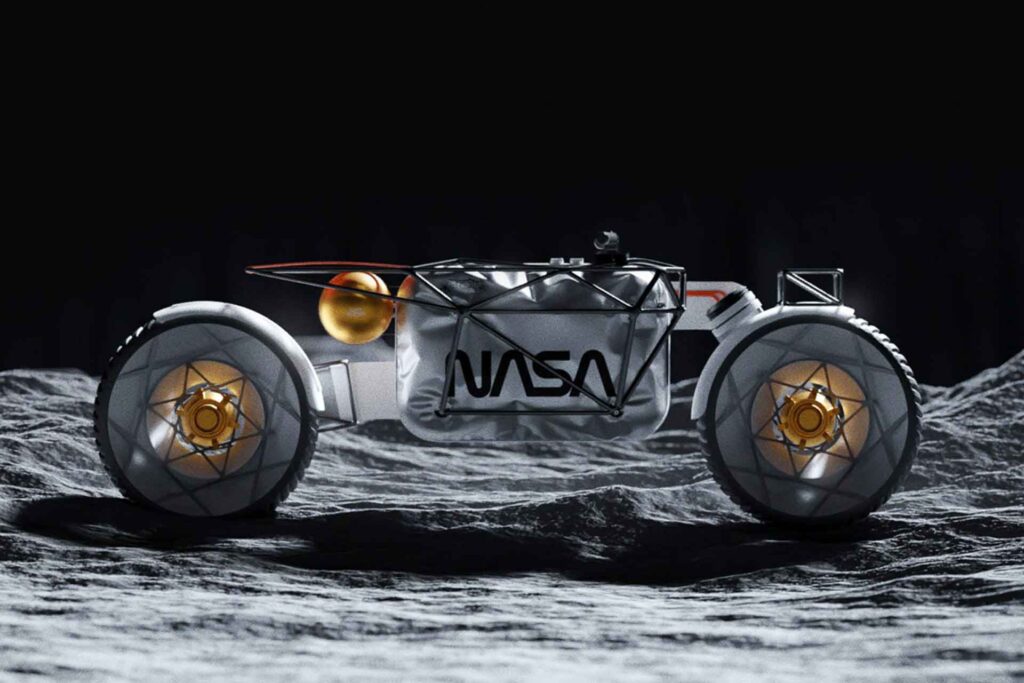
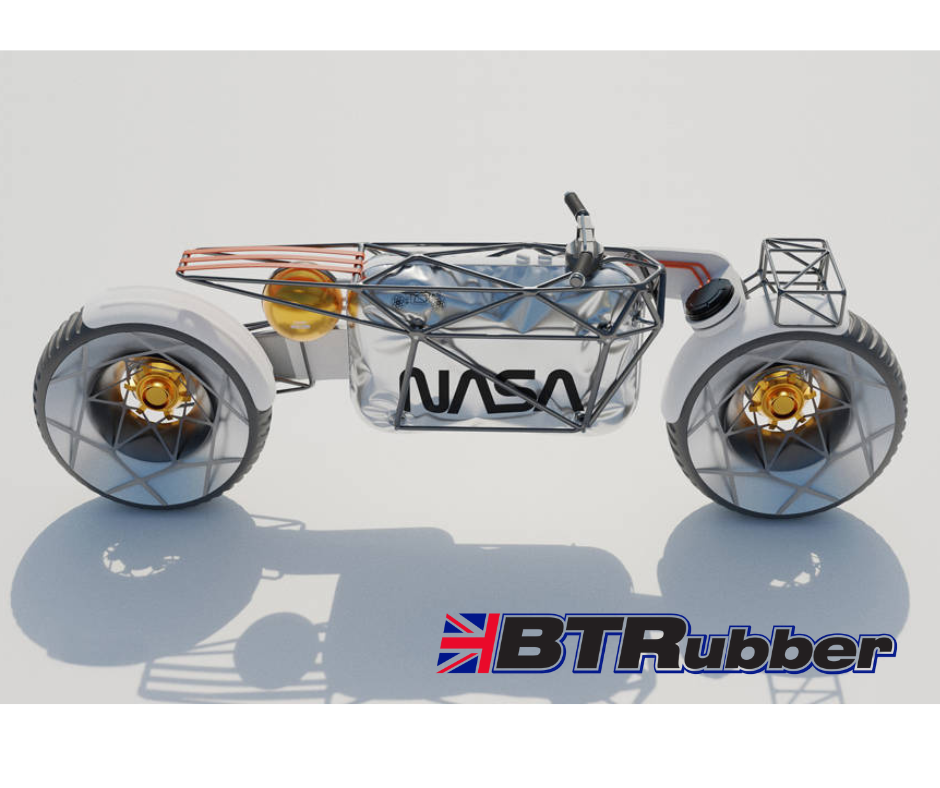
Believe it or not, the last time we set foot on the Moon was almost half a century ago. The NASA Space Program might not be what it once was, but with an increased focus on travel to the Red Planet, there’s also renewed interest in using the Moon as a pit-stop of sorts along the way. If all the technological and training advances go according to plan, setting foot on the Moon won’t be entirely necessary in the grand scheme of the voyage, but that hasn’t stopped a few enterprising designers and engineers from dreaming up some ways the far-from-home astronauts could enjoy their “lunar shore leave.” Andrew Fabishevskiy drew up plans for a NASA motorcycle built around the idea of a simple electric bike.
How did the stars align for this otherworldly project to begin?
On November 1, 2020, Russian designer Andrew Fabishevskiy published renderings of his NASA lunar motorcycle. Andrew’s renderings weren’t detailed and true to scale, so the design process began using Autodesk Fusion 360, and we engineered the whole Tardigrade from scratch.”
Hookie reworked, rethought, and developed every part on the bike from the ground up. It was the German company’s first project where they designed everything in-house. Overall, it took Hookie nine months from a sketch to the finished bike.
Müller and his team partnered with the Swedish electric brand CAKE on a previous project based on the Ösa+ and Ösa Lite, called the Hookie ANT. They decided to keep the partnership flowing by incorporating CAKE’s drivetrain, wiring loop, battery, and two hubs for the Tardigrade’s wheels.
Hookie ran several tests until they landed on a functional solution, but intend to dedicate more time toward fine-tuning the setup for optimal lunar travel conditions. Despite the fully functional setup, Hookie has yet to put the Tardigrade through rigorous human testing yet.
Tardigrade will soon be on display as part of the ADV:Overland exhibit, curated by Paul d’Orléans, at the Petersen Automotive Museum in Los Angeles, CA.
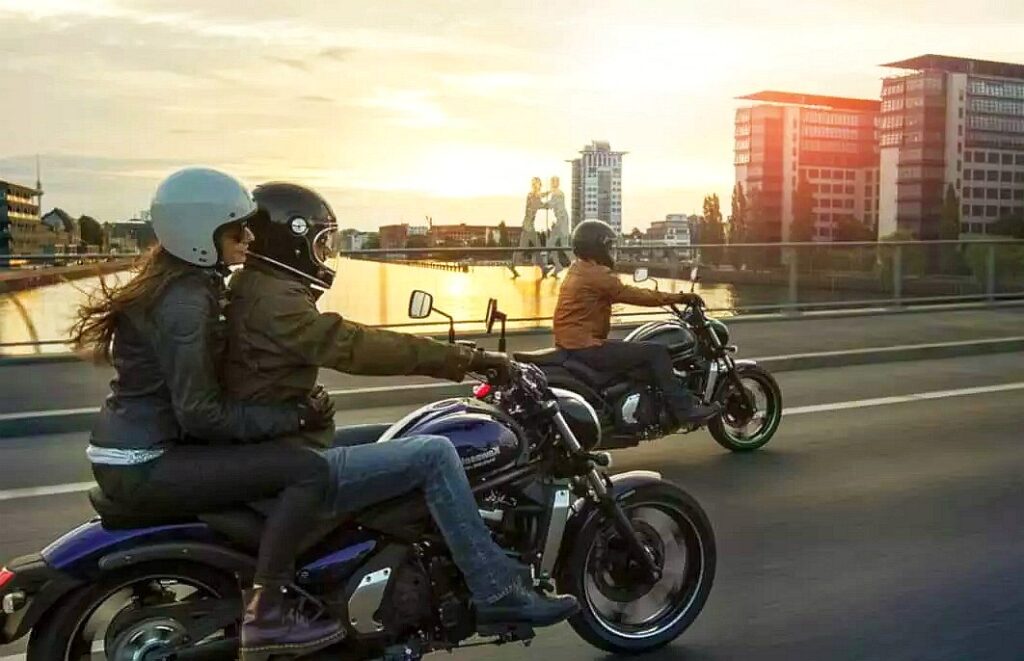
How amazing would it be to have the ability to go anywhere anytime? What about having the world passing you by, feeling the wind in your face? I really think that riding motorcycles provides a sensation of freedom that you just can’t obtain that easily anywhere else. Are you ready to try? Welcome to the Beginner Riders Club!
Riding Motorcycles could be a life-changing experience.
When getting into riding, it is important to consider that danger is real and can come with potential consequences such as injury or death. It is a must for you to understand both sides, good and not so good, especially when getting started, and this will be part of the preparation. Let’s get started!
The Good:
Helps make you present in every moment.
Brings you clarity and inner peace.
Becoming a part of a community.
The Not So Good:
Requires absolute.
Motorcycles are dangerous machines.
You are exposed.
Motorcycles are not for everyone. Are you still with me? Let’s keep going.
Step 1: Safety Guide
First of all: ATGATT. I know you don’t have any idea what I am saying. ATGATT stands for “All The Gear All The Time“, this means that as a rider you must wear every piece of safety gear every time you get on a motorcycle. Let’s talk about it:
Helmet: you love your face, your brain, and everything that implies it, right?
Jacket: this will be your extra armor to protect your vital organs.
Pants: these are tear-resistant and protect your knees from severe impacts.
Boots: extremely important to get over-the-ankle ones.
Gloves: good grip, flexibility and coverage will keep you ahead in terms of safety.
Suit: provides absolute protection to sportier riders.
* Research on motorcycle gear brands.
All The Gear All The Time
Step 2: Learn How To Ride
Classes
Consider going to a Motorcycle safety school, you will get great tools, tips, and tricks for beginners and you get an advantage when going for your license.
Get the basics before trying a difficult ride. Start slow.
Step 3: Permits
License
Good thing that the government is involved, it reduces the number of accidents by having amateur riders on the streets. You will need to pass the written test and be done with safety school.
Step 4: Get your first motorcycle
Start small: you do not need the most expensive Ducati, focus on getting one that will be able to carry you and let you learn.
Motorcycling is a pastime full of variation. There is something for everyone, which is just as well, because life generally gives rise to many interesting types. Different characters can become very easy to spot on two wheels, so here’s a light-hearted look at some of the types of motorcycle riders you may encounter in the wilderness.
1. The Squid
_______________________________________
The motorcyclist that all other motorcyclists love to hate.
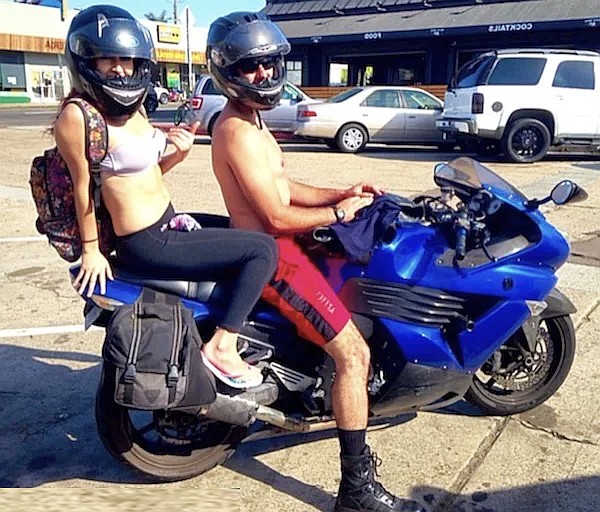
The motorcyclist that all other motorcyclists love to hate. Voted most likely to make a complete nuisance out of themselves and make all other motorcyclists look utterly horrendous, Squids have no qualms about writing checks their skills most likely can’t cash. Look for barely protected bodies, loud pipes and (most of all) sketchy manoeuvres. Squids are to be avoided at all costs and are not to be confused with motorcyclists who actually give a hoot.
Likely bikes of choice: True squidliness knows no boundaries…
(Stereo)typical gear: T-shirt (sleeves optional); jeans (regular, non-motorcycling ones) or shorts; sneakers. In essence, minimal.
The Perfect Tire for them: All of Them!
2. The Mechanic
_______________________________________
This motorcyclist enjoys a good ride, but is equally at home in the garage.
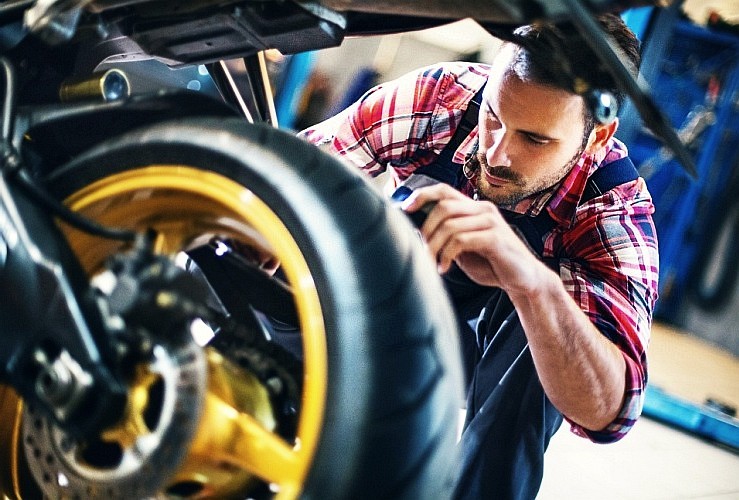
This motorcyclist enjoys a good ride just as much as the next one, but is equally at home in the garage. To this gearhead, developing a good relationship with the motorcycle certainly means being able to take it apart and put it back together again, as long as there are no extra parts at the end of the venture. Well, not too many, at least. Mechanics enjoy a high satisfaction quotient because the bike they ride is the one they take care of. Greasy hands and cheeks are all part of the game. There might be some colourful language involved, but the end result is generally a smile…and the next project…and the next……
Likely bikes of choice: Any UJM; older Triumphs, Nortons or BSAs; anything modern that’s seen better days, in need of TLC, or generally prone to break downs.
(Stereo)typical gear: Overalls; grease in random places; old, but not-quite-past-the-shelf-life helmet, jacket and gloves (when not in the garage).
The Perfect Tire for them: BTRubber Tires of Course!
3. The Brand Loyalist
_______________________________________
This motorcyclist will ride any motorcycle at all…as long as it’s their brand.
Quite simply, this motorcyclist will ride any motorcycle at all… as long as it’s their brand. Other motorcycles are irrelevant, or worse, not even worth the synapses required to consider them motorcycles in the first place. It’s (insert motorcycle manufacturer here) or nothing else. No middle ground. No exceptions. No if, ands, or buts. That’s all there is to it. On the plus side, gift shopping for the Brand Loyalist will be very easy…until they have everything, that is…
Likely bikes of choice: If you can’t tell by now…
(Stereo)typical gear: Gang Brand colours and accessories. As much as possible.
4. The Adventure Rider
_______________________________________
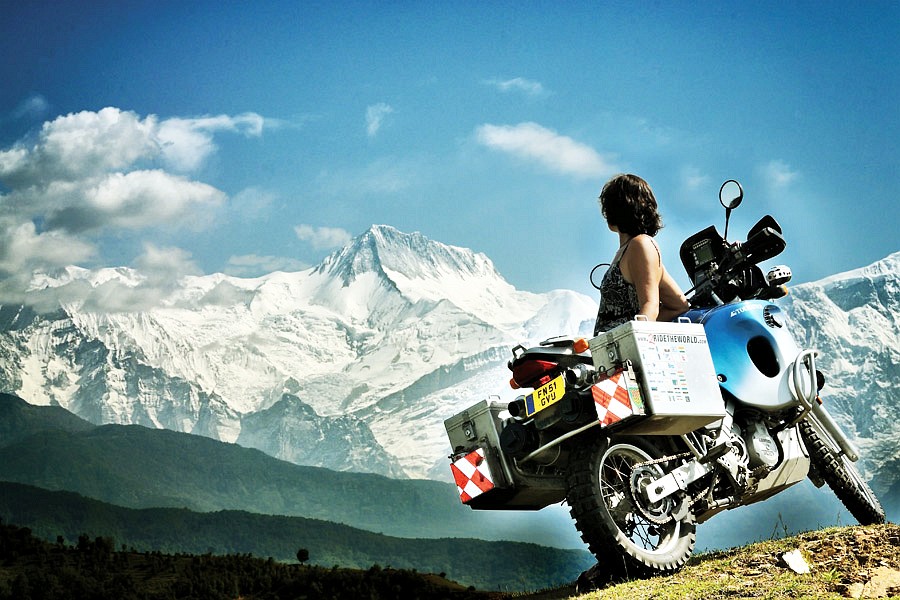
The road not taken is the road this spirited, active motorcyclist will go for.
The road not taken is the road this spirited, active motorcyclist will go for. Then it will be taken. Knowledgeable, well-prepared, and well-equipped. Dirt is as much a part of The Adventure Rider’s game as grease and oil is to The Mechanic’s. May not necessarily be a dirt-specialist by default, but will welcome extended stints over the rough stuff in between long, comfy rides on the blacktop. A versatile skill set behind the handlebars matches the versatile nature of their chosen rides.
Likely bikes of choice: KTM Adventure series; BMW GS series; Honda Transalp or Africa Twin; Kawasaki KLR.
(Stereo)typical gear: Off-road/dual sport helmet with goggles; matching jacket and pants, generally weatherproof (if not fully waterproof); adventure-centric or dirt boots, generally waterproof.
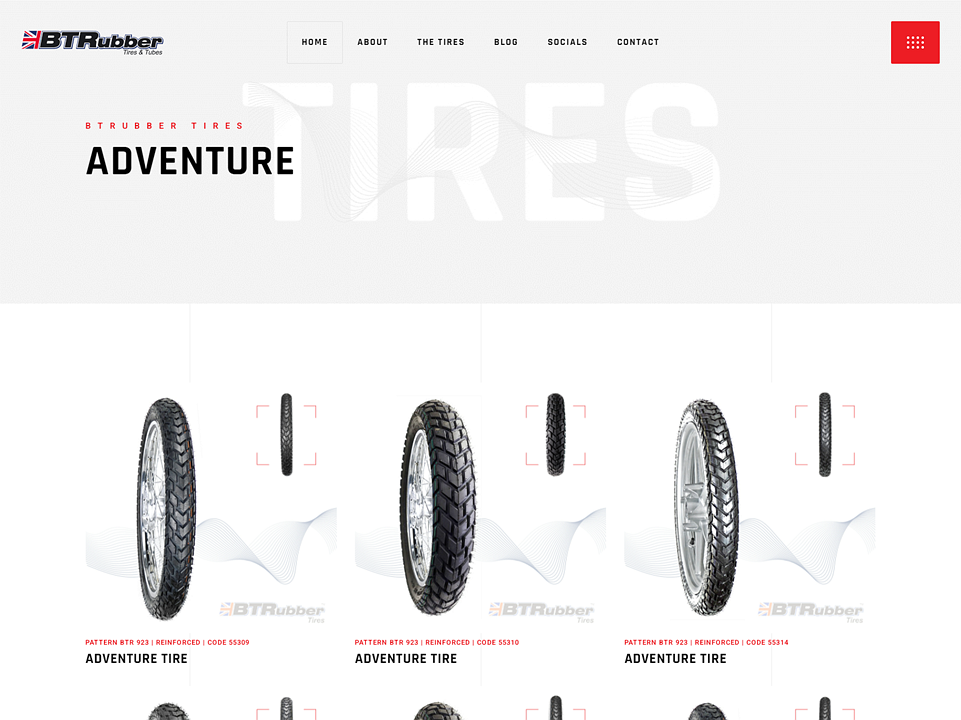
The Perfect Tire for them: BTRubber Adveture Tires!
5. The Exclusive Sport Rider
_______________________________________
Single-minded, and that mind is filled with SPEED!!! Power, too.
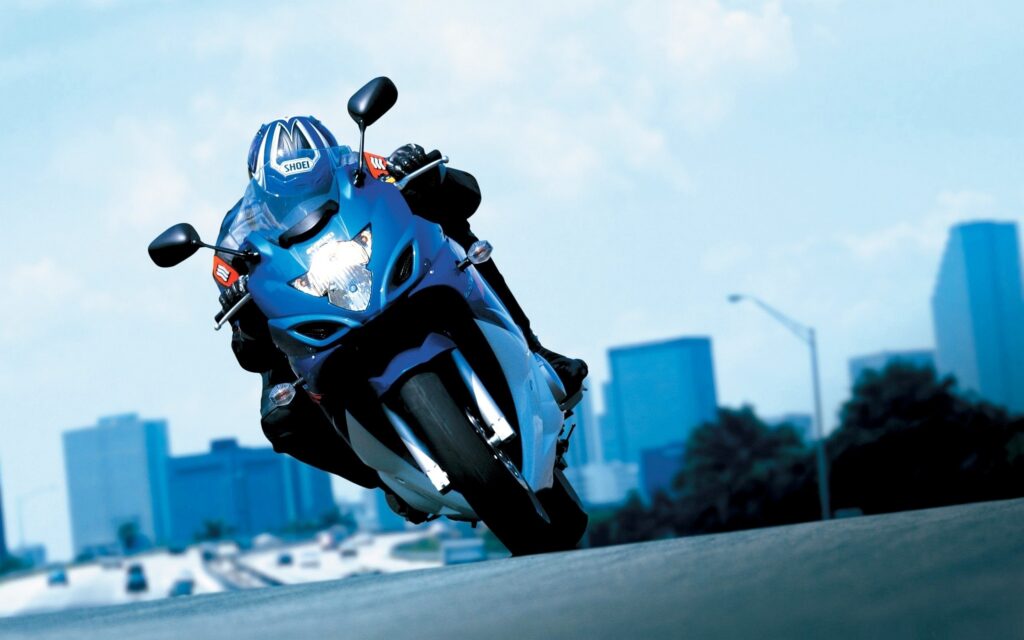
Single-minded, and that mind is filled with SPEED!!! Power, too. That speed and power is often wrapped up in some sleek bodywork that could have spent time in a wind-tunnel at some point. May or may not be a race fan, but if they are, they might be overheard gabbing about the latest MotoGP encounter during one of their curve-strafing intermissions. Otherwise, they can be seen congregating at a track day, where obsessive knee dragging ensues with aplomb. Time must be shaved from laps. Oh, and by the way: SPEEEEEEEEEED!!!!!!!!!
Likely bikes of choice: Anything GSX-R, CBR, ZX-R, YZF-R; European sport bikes like Ducati, Aprilia, or the BMWS1000RR; naked bikes for those into the street fighter image.
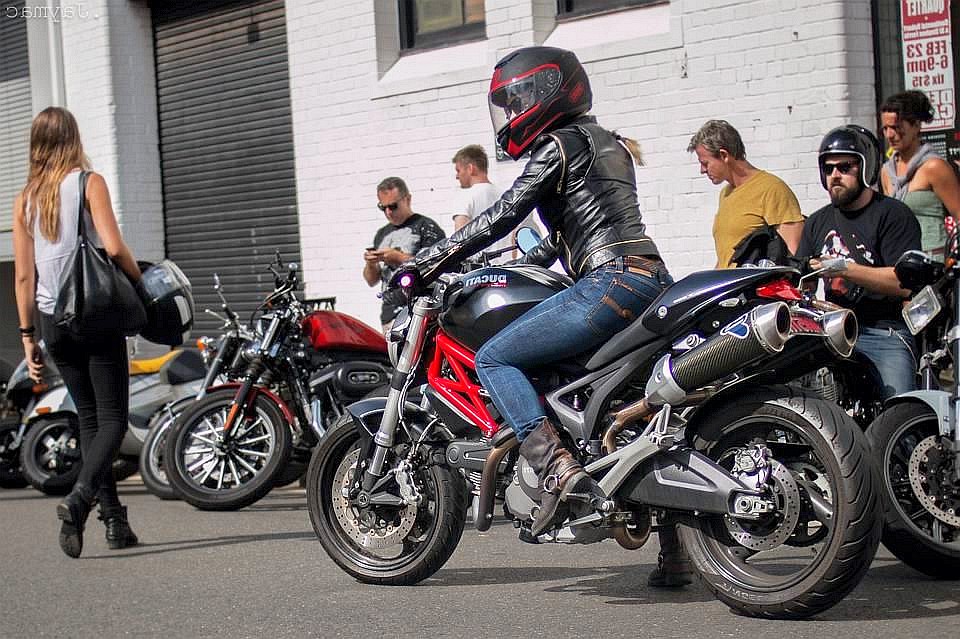
(Stereo)typical gear: Jacket with matching pants; race replica leathers for the hardcore; knee sliders; full gauntlet gloves; aerodynamic, replica helmets.
The Perfect Tire for them: BTRubber SportBike Tires!
6. The Exclusive Cruiser Rider
_______________________________________
The yin to the Sport Rider’s yang.
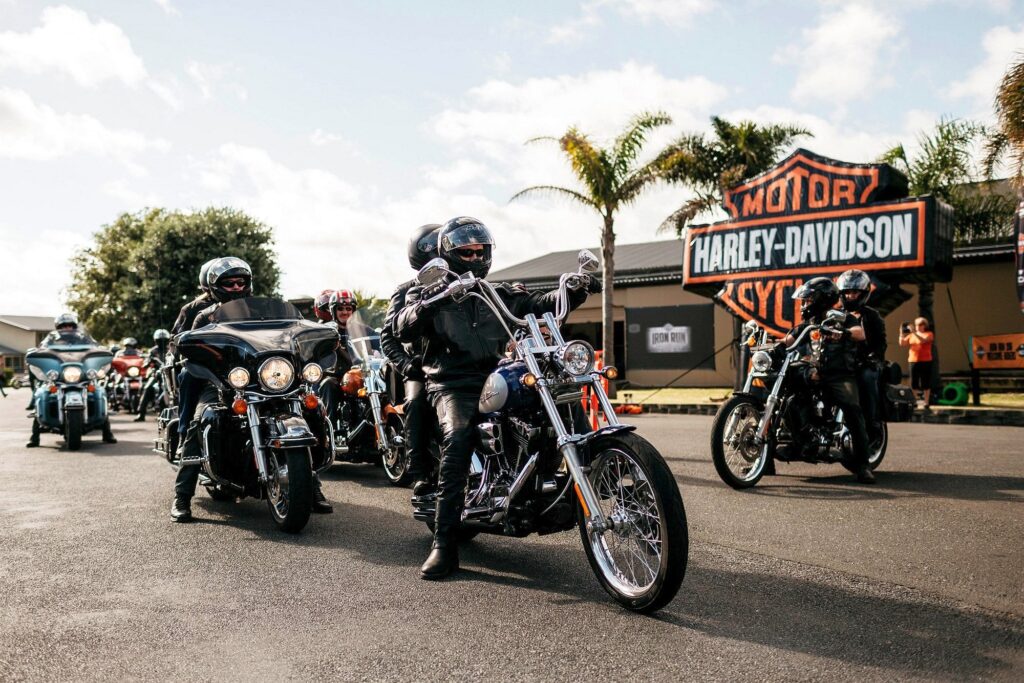
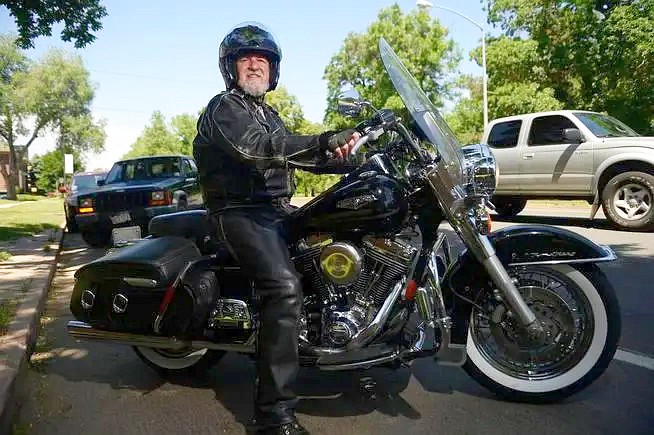
The yin to the Sport Rider’s yang. Cruiser Riders like ‘em long, low, and with a soundtrack that’s more “potato-potato” than “whhhhhaaaaaaaa!!!!!!!!!” Prefers a relaxed ride, but not afraid to whack the throttle open. In a straight line. No knee dragging. Likely to garner avoidance from those not in the know due to association with shadowy dealings and what not, but most likely to be your lawyer, dentist, real-estate agent, university professor, or (gasp) someone in your very own family. Unless they are actually associated with shadowy dealings. Hmm…
Likely bikes of choice: Harley-Davidson; other cruisers…
(Stereo)typical gear: Black leather vest or jacket (with or without patches); fingerless gloves; totally inadequate half-helmet; cowboy-style boots; chaps optional.
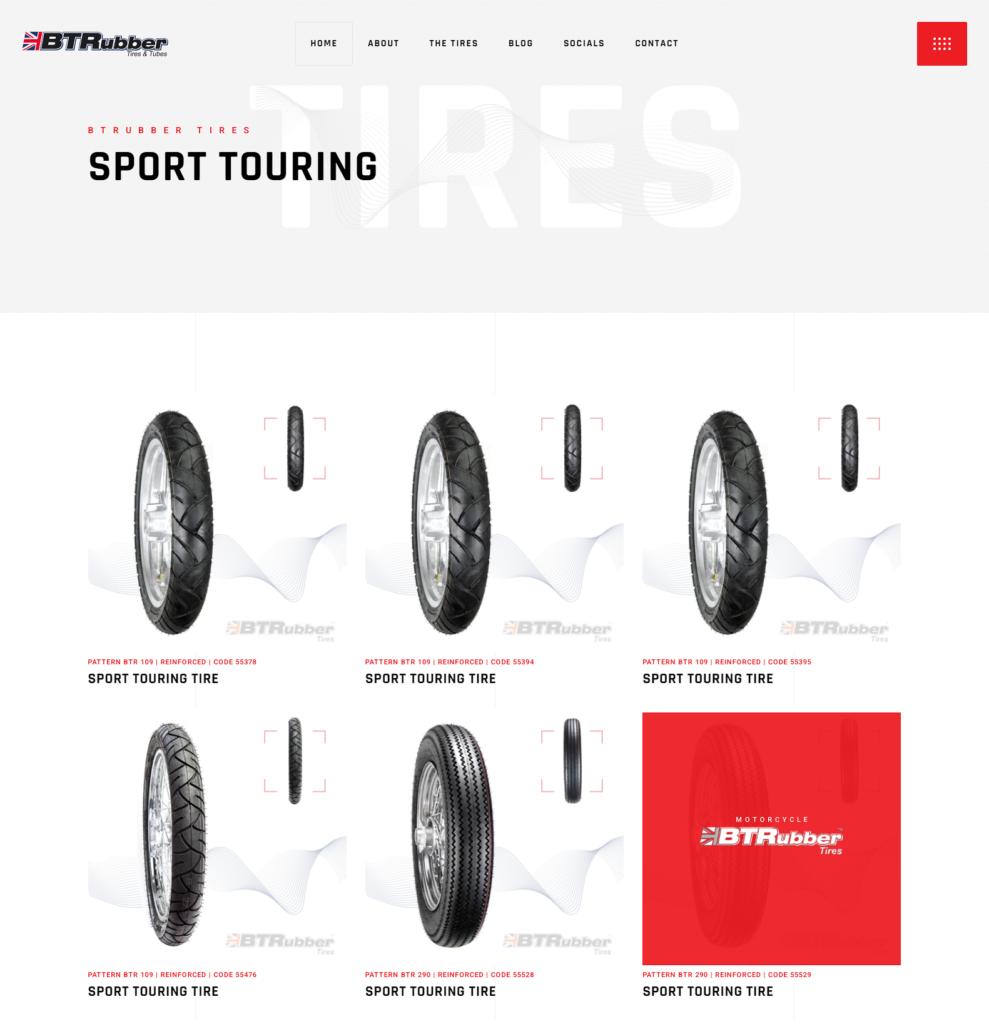
The Perfect Tire for them: BTRubber Sport Touring Tires!
7. The Stunter
_______________________________________
The Stunter is most likely to live life one wheel at a time.
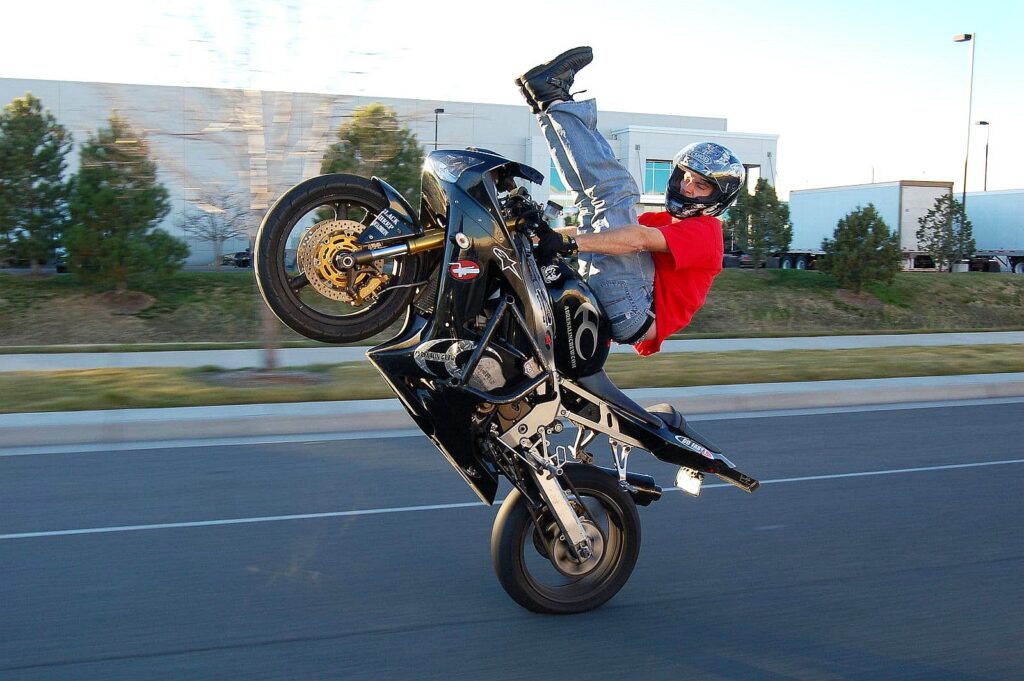
Forget a quarter mile at a time – The Stunter is most likely to live life one wheel at a time. Also most likely to spend the most time changing tires. If Stunters aren’t also Mechanics to some extent, then they know a Mechanic or two. Expect a Stunter’s bike to take a beating, but expect them to magically afford a new bike if one happens to bite the dust. Might be seen at a drag strip or parking lot (the latter with varying levels of permission). May also double as a Squid with a keen death wish if you happen to see one going down the highway pulling an extended horn mono.
Likely bikes of choice: Mid-capacity to large-capacity sport bike or naked bike with sledge hammered fuel tank, large rear sprocket, engine guards and various other stunt-centric modifications.
(Stereo)typical gear: Similar to Sport Rider; motorcycle-specific jeans; if they are minimalist, body armour over T-shirt and jeans will do; those riding shoes that look like street shoes.
8. The Philosopher
_______________________________________
Philosophers are also likely to be pretty darn decent riders.
Just a hunk of metal? Hah. Not even. It’s not a mere two-wheeled contraption to this deep, thoughtful motorcyclist – it’s a living, breathing entity with a character all of its own. Assembly lines? Nay, though they may be identical, each bike has its own soul, waiting to be stirred by one worthy enough to twist the throttle with deserved respect and love. Philosophers are also likely to be pretty darn decent riders, as they will spend time studying and perfecting techniques in an effort to ensure that man/woman and machine merge in exquisite harmony. Definitely a thinking rider.
Likely bikes of choice: Mid-size sport bike or naked bike… or anything that they feel they can become one with.
(Stereo)typical gear: ATGATT…and all the right gear, at that.
Honorifyc Mention:
9. The Gentleman
_______________________________________
Rider who has been through all of these phases and has arrived at his senior years.
Rider who has been through all of these phases and has arrived at his senior years, 60 +, who has “discovered (pearhaps) the perfect motorcycle… Speed, handling, comfort with a major grin factor, included”. Started riding in 1960s and they are here to tell you that at 63 years old the road still makes them feel like 16 again!
Know More Motorcyclist (Stereo)Types? Let us know in the comments below!
To be continue…
_______________________________________
Moust of all, Remember that Always You Can:
Choose Your Destiny!
Visit our website if you want the perfect wheels for your Motorcycle!
There are many urban myths and misconceptions that float around regarding motorcyclists and the bikes they ride. If you get a group of motorcyclists together to talk about safety and crashes, chances are you’ll hear some of these incorrect assumptions and legends come up.
It’s a good idea to understand the statistics, so you can keep yourself as safe as possible when you’re out riding. You should do anything you can to increase your chances of avoiding accidents. No one wants to get hurt while riding, obviously.
And the old adage “it’s not if, it’s when,” regarding motorcycle crashes is one of the first urban myths we’ll get out of the way. We don’t need to even put it on the list. The fact is, no, not everyone who has ever ridden a bike gets into an accident. Many people go their whole lives without a crash. And do you know why? Because they’re experienced, learned things properly, and they take all the precautions to stay safe.
Some of these misconceptions will sound like baloney right when you hear them. But just remember that someone somewhere believed them – usually many people- and perpetuated the ideas long enough for it to become urban legends. Some of these myths you’ve heard so much at this point that you just assume they’re true. But when you look at the stats, you’ll see differently.
Here are many of the most common misconceptions about motorcycles.
1. Helmets Do More Harm Than Good
_______________________________________
Most countries have laws that require motorcyclists to wear helmets or protective gear on their heads.
Most countries have laws that require motorcyclists (and their passengers) to wear helmets or protective gear on their heads. There are some exceptions but for the most part, you need to wear a helmet. One myth or misconception about helmets is that they cause more harm than good—namely, that you are more likely to fracture your neck in an accident because the increased weight of the helmet will cause your head to move around. The reality is that most studies and statistics have found there’s a significantly lower chance of neck injury sustained by motorcyclists wearing helmets than those without helmets.
2.Helmets Block Your Ability To See Or Hear Danger
_______________________________________
Helmets Do Not block your ability to see or hear danger.
Another common myth regarding helmets and motorcyclists is that they block your ability to see or hear danger. This is not true nor is it supported by statistics. Wearing a helmet actually does the opposite: the visor provides eye protection from wind and debris, allowing a rider to see better. It also cuts down on wind noise so the rider can hear better. Also, by decreasing the noise and wind pressure on the head, helmets actually reduce fatigue. Wearing a helmet does not increase the risk of having an accident. It certainly reduces the likelihood of serious injury if you were to get in a crash, though.
3. Racing Tires Are Safer Than Road Tires
_______________________________________
Road tires have better grip at normal temperatures, giving consistent performance over many heat cycles.
Racing tires are made of different compounds and have different properties than road tires, so they’re completely different from one another. They’re designed to work best when it’s really hot, in order to create grip, and they’re meant to stick like glue from one heat cycle. This works well on a dry road, but it can be dangerous when riding in the rain. Racing tires have fewer grooves than street tires, so they can’t channel water out of the way. A street tire will wear better, have more stability, and produce greater wet-weather performance. Also, road tires have better grip at normal temperatures, giving you consistent performance over many heat cycles.
About that, Lets Take A Look Of One Of The Better Tires For Different Weather Conditions:
_______________________________________
BTRubber tire rubber made for light weight applications is engineered to lend itself to a wide variety of weather conditions to handle the hefty weight of a work bike, and to allow for the longest possible lifespan while still affording appropriate levels of traction in the corners.
4. You Should Lay Down Your Bike If You’re About To Crash
_______________________________________
Instead of laying your bike down, it’s better to try to reduce your speed as much as possible.
Most accidents happen so fast that the rider is simply not going to have time to think about laying their bike down. This myth is counterintuitive—it doesn’t make sense to crash every time you think you’re going to crash. This thinking comes from the idea that you’ll be safer at ground levels, rather than being thrown through the air. But if you try to slide into a vehicle, there’s a good chance you’ll end up slamming into it even faster. Also, rubber stops better than metal or plastic. So instead of laying your bike down, it’s better to try to reduce your speed as much as possible.
5. Conventional Brakes Are Better Than Anti-Lock Brakes
_______________________________________
ABS makes riding safer, produces fewer crashes, and allows for shorter stopping distances.
A lot of testing has been done to show that even on clean, dry, flat pavement, experienced and skilled riders stopped in a shorter distance with ABS (anti-lock brakes) than they did with conventional or linked brakes. ABS makes riding safer, produces fewer crashes, and allows for shorter stopping distances. No matter how good of a rider you are, you can’t predict what the driver ahead of you is going to do or will force you to do. With ABS, riders can brake fully without fear of locking up their tires. ABS automatically reduces brake pressure when a lockup is about to occur, and increases it again after traction is restored.
6. Racing Tires Will Make Your Bike Faster On The Road
_______________________________________
Road tires were made for streets and highways for a reason!
This is simply not true. Motorcycle racing tires are way different than road tires, as we’ve already established. You are rarely going to get a set of racing tires up to the proper racing temperature out on the highway. And there’s a better chance that after you set off on your bike, you’re going to fall off at the first intersection. You should definitely stick to road tires for your bike when you’re on the road—or any surface other than track surfaces. Road tires were made for streets and highways for a reason and racing tires were made for the track for a reason. Don’t mix and mingle.
7. You Can Avoid Police Radar
_______________________________________
This is a myth that, hopefully, not too many people believe.
The theory here is that because your motorcycle is smaller than a car or truck, you will be able to avoid police speed radars easier. This is a myth that, hopefully, not too many people believe. Just because your bike isn’t as big as other cars on the road doesn’t mean you can dodge radar. A radar device can clock the speed of a baseball—so it can definitely clock the speed of your motorcycle. Also, today’s police lasers are extremely high-tech, efficient, and more accurate than in the past. It’s said that they are so good they can lock onto a flying insect and detect its speed!
8. Traction Control On A Bike Will Help You Go Faster
_______________________________________
It won’t help you go faster- that comes with experience and confidence in your abilities.
This is partly true, but also mostly false. If you’re new to riding and you aren’t confident in your abilities yet, you probably won’t ever realize what traction control is doing for you. If you’re a determined, experienced racer and ride really hard all the time, highly advanced modern traction control systems might help you overcome certain human errors. It is more likely, though, that traction control is of most use to riders on the roads who find themselves in bad situations. Either way, it won’t help you go faster—that comes with experience and confidence in your abilities.
9. Underinflated Riding . . .(Wtf?)
_______________________________________
Please don’t believe this because you’re going to hurt yourself.
There’s this inane idea that new tires come with a coating that can only be removed by riding them for a few miles underinflated. Please don’t believe this because you’re going to hurt yourself. Most new motorcycle tires look like they have a coating on them but that’s because that’s what they look like when they come out of the factory mold. Never reduce the pressure in your tires to try and scrub them in! Riding on underinflated tires will cause them to flex, will damage the sidewall, and could potentially cause a blowout, which you obviously don’t want.
Better use a Real Good Motorcycle Tire!
Making dual-compound tires that have stickier, softer sidewalls that give the bike solid grip in the corners, with a harder main carcass that offers better mileage.
10. 18-25-Year-Olds Are At Most Risk
_______________________________________
It’s Not the Youngsters!: More than 40% of all cyclist deaths in the US had an average age of 42 years.
There is some truth in this because novice riders certainly run a higher risk of injury due to lack of experience and the majority of novice riders are in the 18-25 age bracket. But according to the NHTSA’s latest findings on motorcycle fatalities, the biggest group of riders to meet that criteria in the US are in the 40-55 age bracket. NHTSA has been tracking this information for about 15 years, and more than 40% of all rider fatalities in the US, from traffic accidents, had an average age of 42 years old. So if you’re a younger rider and are planning on buying your first bike, tell that statistic to your relatives or family when they try to dissuade you.
11. Buy The Bike Of Your Dreams As Your First Bike
_______________________________________
More important than the bike, arguably, is the safety gear you’ll need.
The theory here is that if you buy the bike of your dreams as your first bike, you’ll learn to ride it sooner or later.All you need is experience. Wrong. This obviously depends on what your dream bike is but before you spend big bucks on the coolest ride out there, check your budget. More important than the bike, arguably, is the safety gear you’ll need. And not just a helmet—gloves, boots, and good riding leathers are a must. Once you have those things squared away, then you can worry about what bike to get. Also, just because you have your heart set on a particular bike, doesn’t mean you should get it straight away. Do your homework first and buy something that matches your abilities.
12. Your Motorcycle Will Make You Irresistible To Women
_______________________________________
We’re not sure how many people believe this narcissistic idea – hopefully, not many.
We’re not sure how many people believe this narcissistic idea—hopefully, not many. Chances are, if you were irresistible to women before you bought a bike, you might be even more so when you have one. But you won’t become that way overnight just because you have a bike. No, if you have oil under your fingernails all the time and your leathers smell ripe after eight hours of riding or she thinks your helmet hair is good looking, it’s probably because she rides, as well. Otherwise, don’t get the idea in your head that owning a bike is going to change you—it might change your confidence level, sure, but not who you are as a person.
13. People Who Ride Motorcycles Are “Low-Class“
_______________________________________
In truth, people from all walks of life ride motorcycles.
This is by far one of the most demeaning and most perpetuated myths about motorcyclists out there. In truth, people from all walks of life ride motorcycles. There has been a shift in the way people think in recent years, thanks to high profile riders like Norman Reedus and Jay Leno. If you head to a bike rally, though, you’ll see a mix of laborers, military veterans, doctors, service workers, lawyers, and others. The pastime of riding a motorcycle transcends the boundaries of race, gender, and class. That’s one of the beauties about riding motorcycles: it’s all about the freedom of being on the road on two wheels.
14. Small Objects On The Road Will Make You Crash
_______________________________________
If this were true, you wouldn’t see any motorcycles on the road.
There are many people out there who believe that if you run over as much as a pebble on a motorcycle, you’re doomed, and you’ll go flying into a ditch never to be seen again.This is simply not true. If this were true, you wouldn’t see any motorcycles on the road. If you run over a small rock on the road, you’ll feel much of what you feel in a car – you bump over the rock and keep going. If you run into a patch of loose gravel, however, or a pothole, you might experience problems. But those aren’t small objects, are they? And if you know how to ride properly, you should be fine.
15. Using The Front Brakes Flip You Over The Handlebars
_______________________________________
If this were true, bikes wouldn’t have front brakes at all.
The idea here is that you should stay off the front brakes if you want to stay on your bike because you’ll flip over the handlebars thanks to the physics of using the front brakes. If this were true, bikes wouldn’t have front brakes at all. And while it is possible, it’s not likely. It sounds correct, though: you squeeze the front brakes and momentum carries the back wheel up and over. But today’s bikes have larger, more powerful brakes on the front than they do on the rear. Riders don’t fly over the handlebars when the brakes are depressed. In fact, they have more control braking from the front than they do from the rear.
16. Other Drivers Don’t Care About Motorcyclists
_______________________________________
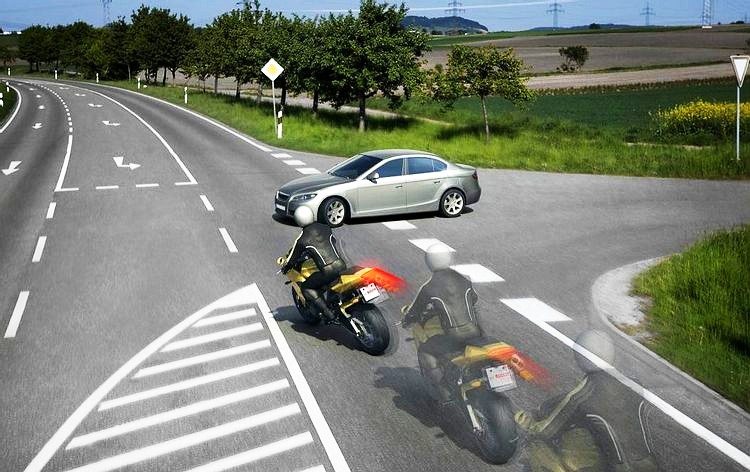
This is an untrue and pretty heartless urban myth. Other drivers do not want to hit you!
This is an untrue and pretty heartless urban myth. Other drivers do not want to hit you! Most of the near-misses come because they don’t know you’re there, sometimes even when you’re right in front of them, in plain sight. Being smaller and more elusive than a car, you could be hidden by glare or obscured by the car’s roof pillars or other traffic. Not all drivers think motorcyclists make the effort to look extra hard to stay in plain sight, so you should definitely help make it easier for drivers to spot you. This comes back to wearing bright colors, especially on your helmet or jacket. Run your high beam during the day, maybe. Think about things that can hide you from drivers’ vision, and avoid those things.
17. It’s Better To Stay In Your Lane Than Split Lanes
_______________________________________
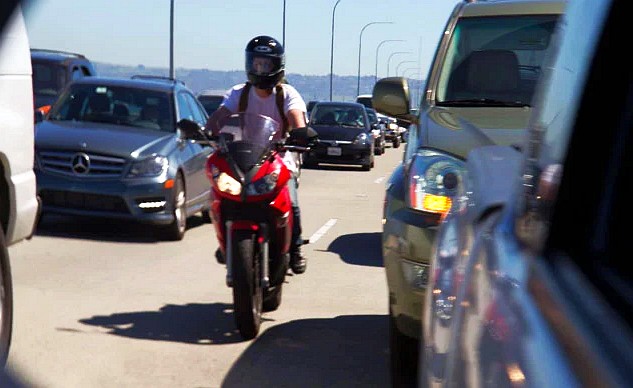
In the US, many people act like lane-splitting is foolish and incredibly dangerous.
In most parts of the world, motorcyclists split lanes all the time – pretty much everywhere that traffic is heavy. But in the US, many people act like lane-splitting is foolish and incredibly dangerous. But if they actually followed the statistics, they’d see that that isn’t true. Study the one place in the US where it’s legal – California – and you’ll discover that it’s actually slightly safer to lane-split than it is to stay in the lane in heavy, slow-moving traffic. Still, many motorcyclists berate other riders when they do it because they don’t realize that they should actually be endorsing it!
18. It’s Safer On The Street Than On The Interstate
_______________________________________
Controlled-access roads (or interstates) are inherently safer because all the traffic is going the same way,
The idea here is that slower is safer – but that’s only really true after an accident begins.Controlled-access roads (or interstates) are inherently safer because all the traffic is going the same way, and there are no side streets or alleys from which you can pop out. There are no pedestrians and fewer roadside objects to run into if you go off the roadway. When you’re going down the road at 70 mph, side-by-sidewall, it might feel sketchy when you’re right next to the whirling wheels of a semi truck, but you are actually safer on the interstate than when you’re going half that speed on a city street or even a country road, where things pop out at you all the time.
Know More Motorcycle Myths? Let us know in the comments below!
To be continue…
_______________________________________
Moust of all, Remember that Always You Can:
Choose Your Destiny!
Visit our website if you want the perfect wheels for your Motorcycle!
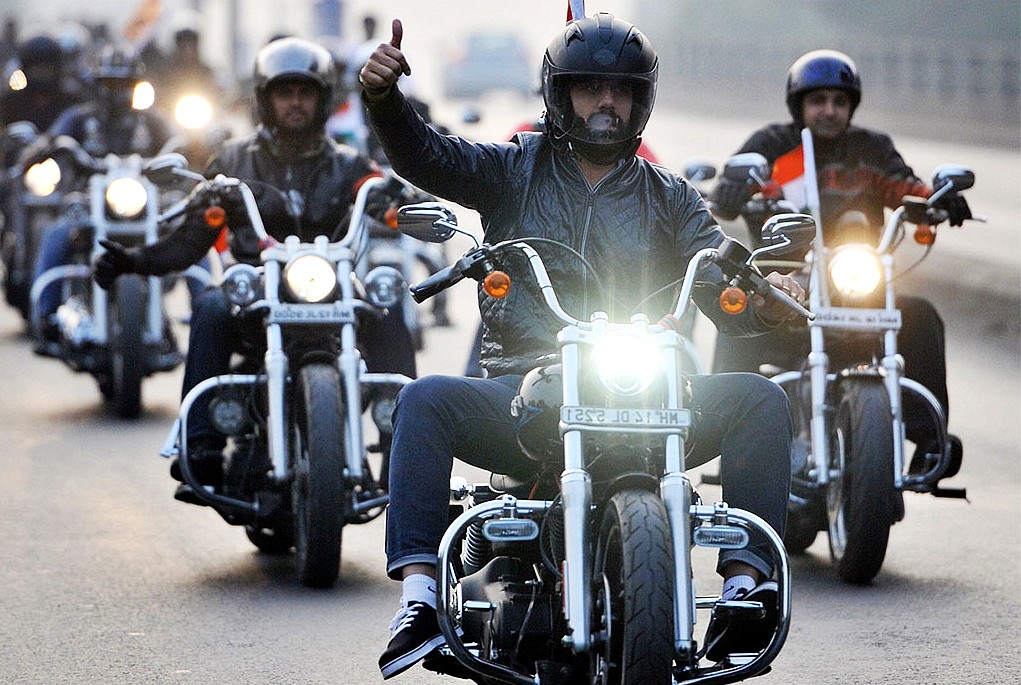
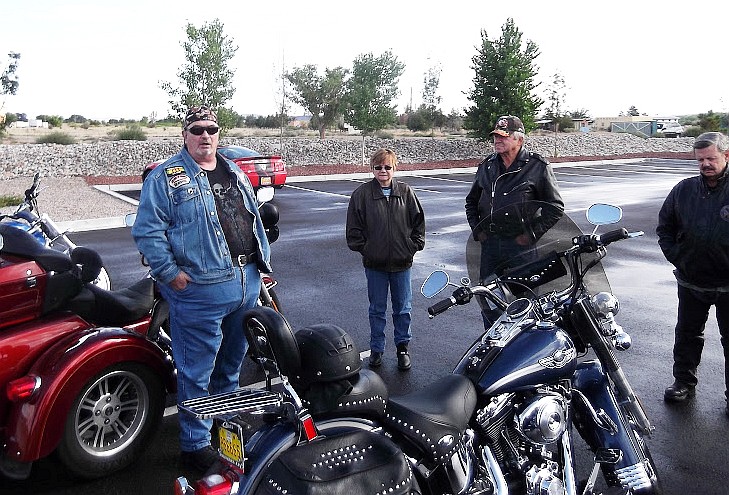
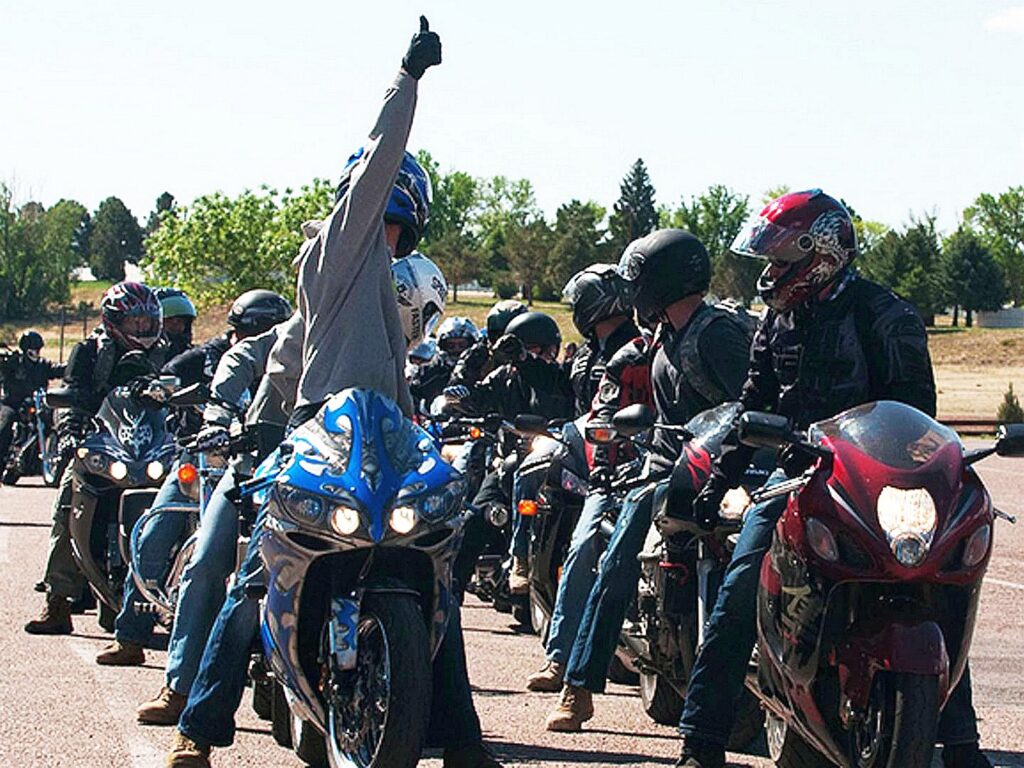
Group riding can be one of the most enjoyable parts of your motorcycle passion, but also has its own set of challenges. It can be very dangerous if your group is disorganized so its important to get everyone on the same page before you ride the wind for hours on end. Here are some tips to keep in mind when motorcycle group riding to keep things safe and fun.
A) Pre-Ride Meeting
_______________________________________
Its very helpful to get together with all your riders before you head out on the road
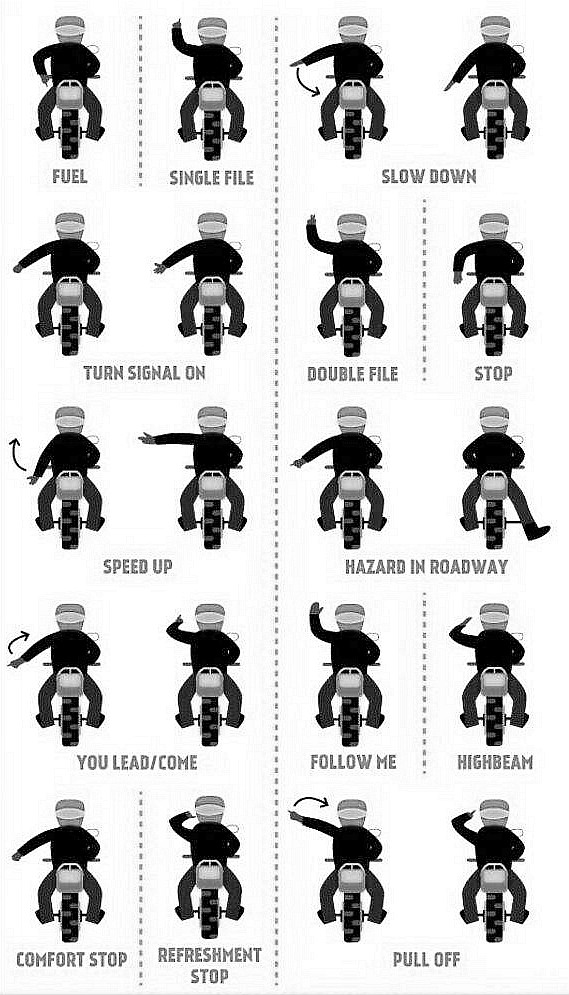
Its very helpful to get together with all your riders before you head out on the road to go over how long you’ll ride for, where you’ll stop, go over hand signals, the pace of the ride and to ask any other questions you may have. If you’re in a group that has been riding together for some time, you may be able to skip this part, but if you have people with a variety of riding experience, its best to get everyone organized before hand. It will be a lot easier to go over the ground rules in a quiet environment than over the crackle of the throttle.
B) Decide Riding Order
_______________________________________
Your group will need to designate a lead rider (person in front).
Next, your group will need to designate a lead rider (person in front) and a tail rider (person in back). The lead rider is responsible for setting the pace, keeping his eye out for anything ahead that could interrupt the ride (whether it be a traffic jam, bad weather, etc…) and navigating. They should be well skilled in issuing hand signals as they will be the eyes for the rest of the group. Make sure you have an experienced rider leading the pack.
C) Hand Signals
_______________________________________
Your tail rider should be just as experienced as your front rider.
Your tail rider should be just as experienced as your front rider. They will be in charge of keeping tabs on the entire group and anyone who wanders off, has mechanical problems or does anything stupid to put the rest of the group in danger. Once you have these two important riders appointed, you should line up the rest of the group by experience.
Any novices should stay behind the lead rider while the seasoned riders behind them. You don’t want to have all your veteran riders in the front where they might accidentally cruise off and leave the newbies behind.
D) Bring Supplies
_______________________________________
Every rider in the group should be well supplied in case of an emergency.
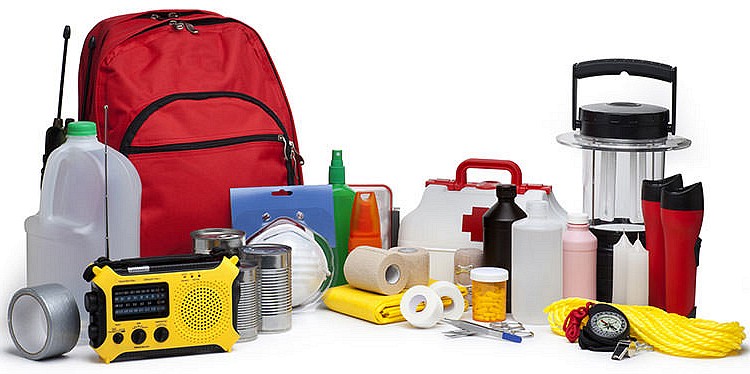
Every rider in the group should be well supplied in case of an emergency. Make sure you bring your own cell phone (make sure its charged), some extra cash and your own set of tools for your bike. You may also want someone appointed to bring some extra tools like a flashlight, duct tape and a first aid kit.
You can decide yourself to come supplied with a few things others may have forgotten. If you want to be praised very quickly by your fellow riders, bring some essentials like aspirin, water, sunscreen, earplugs and a phone charger.
E) Riding Formation
_______________________________________
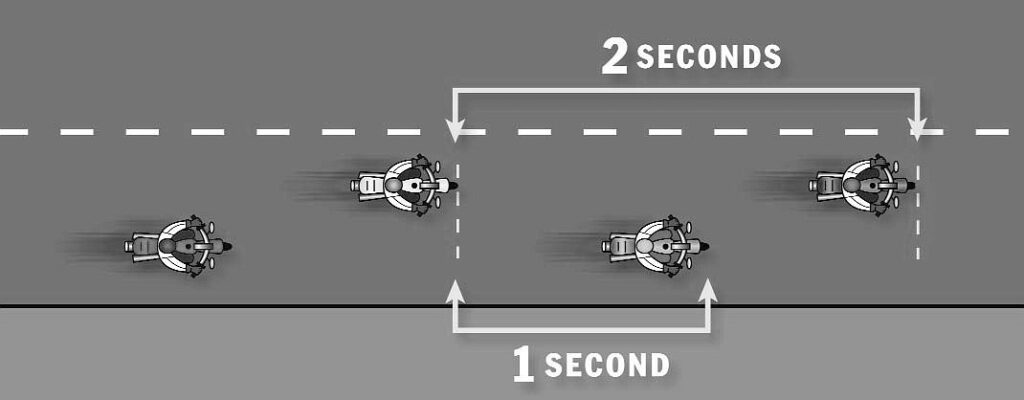
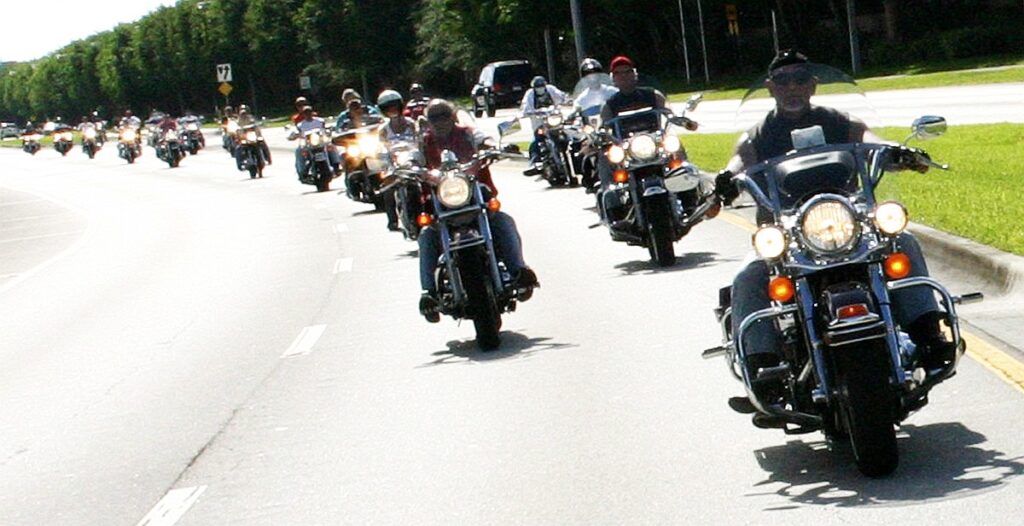
Perfecting your formation can be the trickiest part of group riding, but staying in proper formation gives each other enough space to react to any sudden hazards and helps any other drivers on the road avoid you.
_______________________________________
The best way is to stagger.
The best way is to stagger. This means that if a line were drawn from rider to rider, it would make a perfect and evenly spaced zig zag line. To achieve this, the lead rider will ride on the left side of the lane, while the second rider on the right, about a second behind. The third rider will then be a second behind the second rider, back to the left side. This pattern continues with each rider in your group down to the very end.
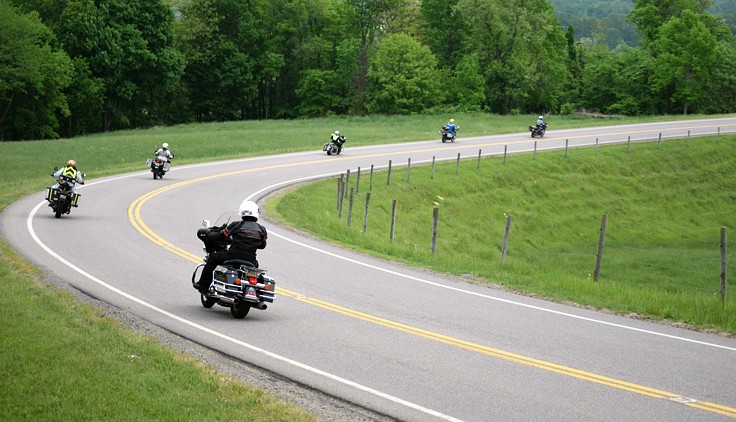
You may consider a single file formation when approaching a curve in the road or when poor road conditions appear, but never ride side by side. This is a lot more unsafe and doesn’t give enough cushion to avoid something hazardous without hitting the person riding next to you.
F) Separation
_______________________________________
Of course you want you group to stick together for the entire group ride, but sometimes that’s not always possible. Someone could lag behind due to a red light, a car not letting them pass or just not being able to keep up with the pace. Don’t panic and speed off aggressively to the point you get pulled over. If you were at the pre-ride meeting, you should know where the rest stops are and you can catch up to the group there.
Have any more tips? Let us know in the comments below!
To be continue…
_______________________________________
Moust of all, Remember that Always You Can:
Choose Your Destiny!
Visit our website if you want the perfect wheels for your Motorcycle!
We use cookies on our website to give you the most relevant experience by remembering your preferences and repeat visits. By clicking “Accept”, you consent to the use of ALL the cookies.
This website uses cookies to improve your experience while you navigate through the website. Out of these, the cookies that are categorized as necessary are stored on your browser as they are essential for the working of basic functionalities of the website. We also use third-party cookies that help us analyze and understand how you use this website. These cookies will be stored in your browser only with your consent. You also have the option to opt-out of these cookies. But opting out of some of these cookies may affect your browsing experience.
Necessary cookies are absolutely essential for the website to function properly. These cookies ensure basic functionalities and security features of the website, anonymously.
Cookie
Duration
Description
cookielawinfo-checbox-analytics
11 months
This cookie is set by GDPR Cookie Consent plugin. The cookie is used to store the user consent for the cookies in the category "Analytics".
cookielawinfo-checbox-functional
11 months
The cookie is set by GDPR cookie consent to record the user consent for the cookies in the category "Functional".
cookielawinfo-checbox-others
11 months
This cookie is set by GDPR Cookie Consent plugin. The cookie is used to store the user consent for the cookies in the category "Other.
cookielawinfo-checkbox-necessary
11 months
This cookie is set by GDPR Cookie Consent plugin. The cookies is used to store the user consent for the cookies in the category "Necessary".
cookielawinfo-checkbox-performance
11 months
This cookie is set by GDPR Cookie Consent plugin. The cookie is used to store the user consent for the cookies in the category "Performance".
viewed_cookie_policy
11 months
The cookie is set by the GDPR Cookie Consent plugin and is used to store whether or not user has consented to the use of cookies. It does not store any personal data.
Functional cookies help to perform certain functionalities like sharing the content of the website on social media platforms, collect feedbacks, and other third-party features.
Performance cookies are used to understand and analyze the key performance indexes of the website which helps in delivering a better user experience for the visitors.
Analytical cookies are used to understand how visitors interact with the website. These cookies help provide information on metrics the number of visitors, bounce rate, traffic source, etc.
Advertisement cookies are used to provide visitors with relevant ads and marketing campaigns. These cookies track visitors across websites and collect information to provide customized ads.