BMW debuts automatic transmission on 2025 R 1300 GS Adventure

Read Time:1 Minute, 55 Second

BMW seemingly perfected the formula for its range-topping GS Adventure trim. Take the flagship GS model, slap on a gargantuan gas tank, increase the suspension travel, bolt on some crash bars, and you have yourself a GSA. BMW did just that with the 2025 R 1300 GS Adventure, but this time around, the Bavarians have a few more tricks up their sleeves.

The extra-large GS historically served long-distance travelers, and BMW equips the 2025 model as such. If there are any doubts, the 7.9-gallon aluminum fuel tank, heated grips, luggage racks, center stand, and adjustable tall windscreen lay them to rest. The steering stabilizer, tire pressure monitor (TPM), device-charging compartment, 12-volt power socket, and Intelligent Emergency Call system are just the frosting on the cake. Should the route tread off-road, the GSA’s cross-spoke wheels, engine guards, and skid plate prepare it for light trail work.

BMW’s Adaptive Vehicle Height Control (AVHC) lowers the bike’s seat height as it approaches a stop. In standard form, AVHC drops the GSA’s seat by 1.2 inches, from 34.3 or 35 inches when riding, depending on which seat height setting the rider has chosen, to 33.1 or 33.8 inches as the motorcycle comes to a stop. The Comfort version still sinks the seat by 1.2 inches when stationary, but it also lowers the suspension by 0.8 inches overall. When outfitted with AVHC Comfort, the GS Adventure’s seat height rides at 33.5 or 34.2 inches and lowers to 32.3 or 33 inches. 

Customers can also upgrade to BMW’s Electronic Dynamic Suspension Adjustment (DSA), if electronically adjustable suspension is on their shortlist.BMW expects the first R 1300 GS Adventure units to roll into North American dealerships in Q4 2024. Unfortunately, the Munich marque will only reveal pricing information at a date closer to the model’s market launch. 

The 2025 R 1300 GS Adventure comes in four trims (Basic Model, Triple Black, GS Trophy, and 719 Option). In addition to BMW’s Premium and Enduro Pro packages, the optional equipment includes luggage, comfort, protection, and navigational accessories. Tech upgrades consist of Active Cruise Control (ACC), Front Collision Warning (FCW), and Lane Change Warning. BMW photo.

Happy
Happy
0 %
Sad
Sad
0 %
Excited
Excited
0 %
Sleepy
Sleepy
0 %
Angry
Angry
0 %
Surprise
Surprise
0 %

Would motorcyclists tolerate intelligent speed-governing systems?

Read Time:1 Minute, 41 Second

Intelligent Speed Assistance (ISA) systems monitor an automobile’s speed by utilizing vehicle-mounted cameras and GPS data. The technology sends audible or haptic warnings to the driver when they exceed the posted speed limit. Some systems even add pedal resistance or bypass the operator to limit the vehicle’s velocity (drivers can override all ISAs by pressing the accelerator pedal harder or simply turning off the feature).

Beginning in July, the European Union will require automakers to equip all new vehicles with ISA systems. That mandate doesn’t impact motorists in the United States — yet. The National Transportation Safety Board (NTSB) and Insurance Institute for Highway Safety (IIHS) recently advocated for the U.S. National Highway Traffic Safety Administration (NHTSA) to adopt similar standards.

To preemptively gauge the public’s response to such regulations, IIHS Senior Research Scientist Ian Reagan conducted a survey of 1,802 drivers. The study split the respondents into three distinct groups. One considered ISAs with advisory warnings, another fielded questions for systems that manipulate the accelerator pedal, and the final group covered ISAs that restrict acceleration autonomously.

Current E.U. standards dictate that systems administer alerts when the vehicle speed matches the posted speed limit for six seconds. Should the vehicle exceed the speed limit, ISA is required to notify the driver after just 1.5 seconds. The survey participants were far more receptive to looser parameters, with 80% of the advisory-only group and the majority of the other groups calling for systems that activate once the vehicle surpasses the posted speed limit by 10 mph.

Neither the E.U. nor the IIHS has proposed ISAs for motorcycles, but automobiles often receive safety-oriented technology before their two-wheeled counterparts. That goes for everything from anti-lock braking systems (ABS) to the latest advanced driver/rider assistance systems (ADAS/ARAS). The real question (for our purposes, at least) isn’t when or if motorcycle manufacturers will adopt ISA systems, but rather, how would the motorcycling community receive them?

Happy
Happy
100 %
Sad
Sad
0 %
Excited
Excited
0 %
Sleepy
Sleepy
0 %
Angry
Angry
0 %
Surprise
Surprise
0 %

Arizona Legalizes Lane Filtering

Read Time:1 Minute, 13 Second

Utah Sees Success, Extends Their Own Lane Filtering Laws.

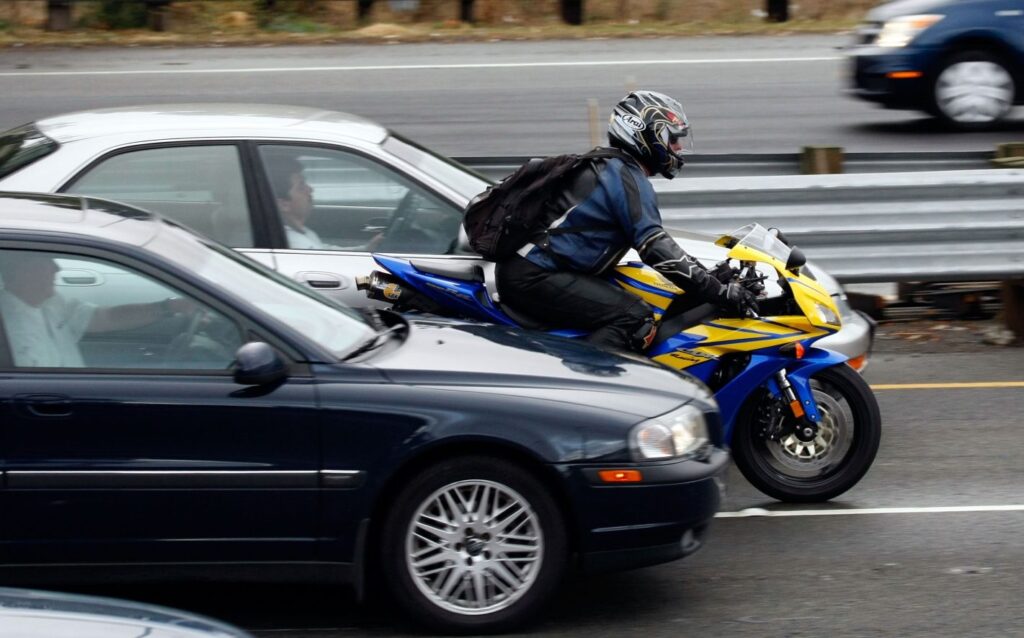
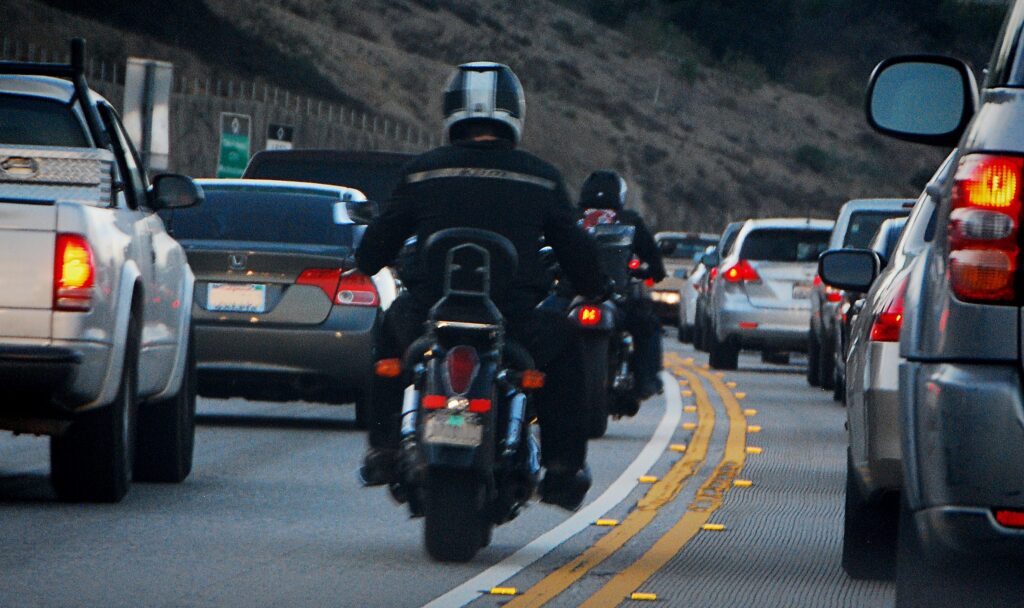
Arizona has been eying the success Utah has been experiencing with their lane-filtering experiment – and as of last week, they’ve started Utah’s renewal of the practise.

“ABATE of Arizona put up a strong showing to successfully get this law signed,” says the American Motorcyclist Association’s (AMA) Western States Representative Nicholas Haris in a report from RRW.

It is a welcome sight to see more states adopting commonsense safety laws that protect motorcyclists when they are most vulnerable to a collision.

The AMA is committed to working with riders nationwide on efforts to pass similar legislation and educating the public about its benefits.

The signing of H.B. 10 was performed on March 22nd, showing that the initial experiment in Utah not only worked, but is worth an extension of an additional five years of research “to allow state officials to review the practice and gather data on its safety benefits.”

I am confident that as riders use lane filtering properly over the next five years, the general public will become familiar with the practice and the data will prove this is a good policy for Utah, and will become permanent.

California was the first state to use lane filtering and with the AMA now in full support of a bill being addressed in Oklahoma, we’re anticipating more states to join.

Drop a comment below letting us know what you think.

Happy
Happy
0 %
Sad
Sad
0 %
Excited
Excited
0 %
Sleepy
Sleepy
0 %
Angry
Angry
0 %
Surprise
Surprise
0 %

How To Remove And Preserve Stickers From Your Motorcycle

Read Time:59 Second

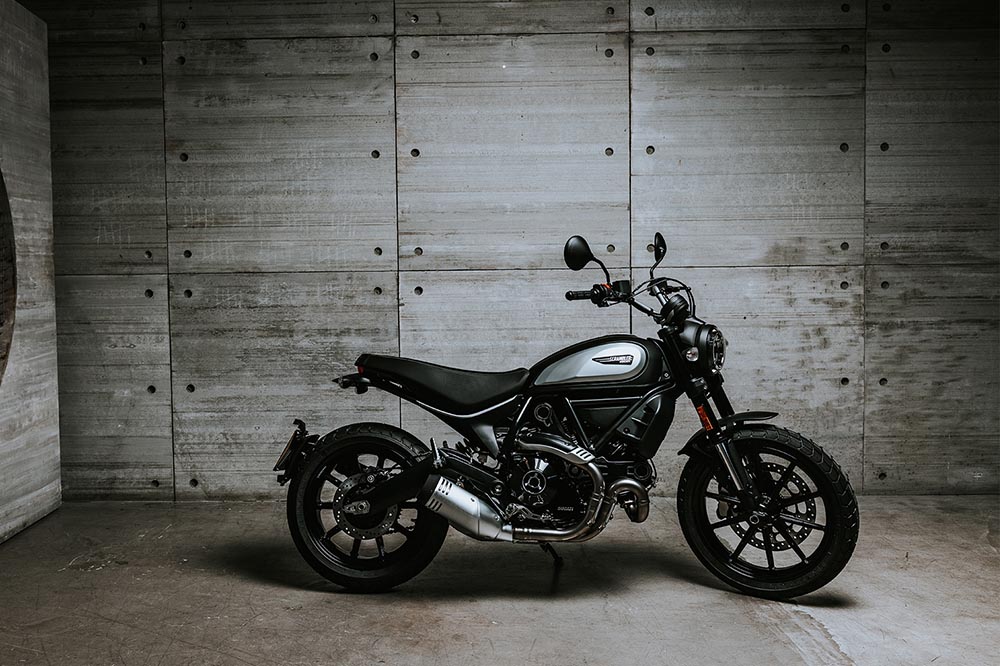
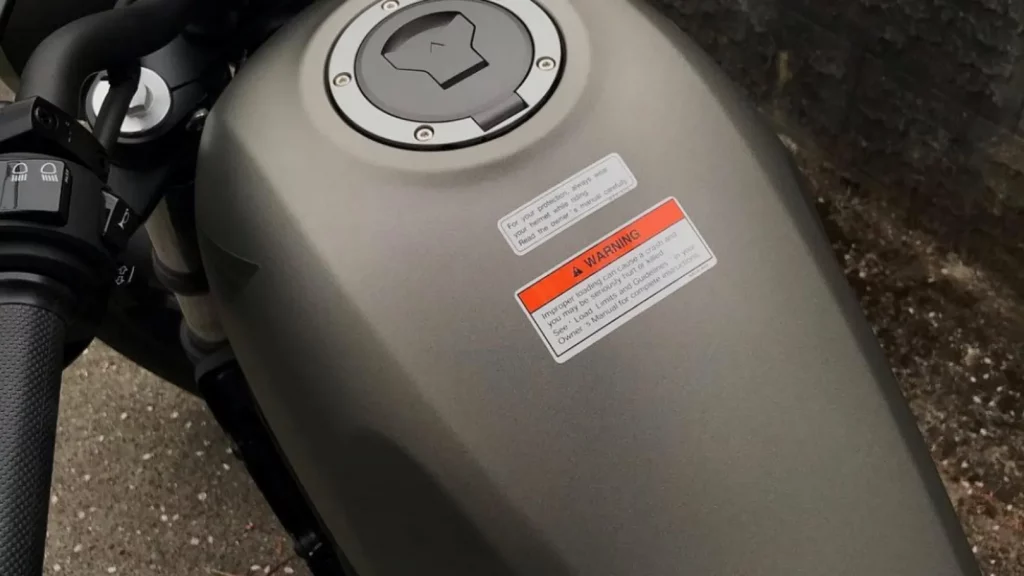
The bikes like Ducati Scrambler still come with a few warning labels that disrupt the clean lines of that bright red trellis frame. Removing them is pretty easy, but preserving them is the real trick.

Three out of four “tools” you need are items you probably already have kicking around the house:

  • hairdryer
  • rag
  • wd40

You can also use a heat gun if you happen to have one, but be careful. It could get too hot and melt plastics in the area you’re working, especially if the stickers you’re removing are actually on plastic.

Using the hairdryer, heat up one corner of the sticker you want to remove.

After a few minutes, you should be able to carefully start to peel the corner up with your finger. Move the hairdryer along the sticker, slowly heating and peeling as you go.

Patience is the key here so you do not rip the sticker.

Eventually, it will come off completely, intact, and undamaged. Spray some WD40 on a rag, then wipe down the area where the sticker used to be.

This will remove any remaining adhesive from the bike.

Happy
Happy
0 %
Sad
Sad
0 %
Excited
Excited
0 %
Sleepy
Sleepy
0 %
Angry
Angry
0 %
Surprise
Surprise
0 %

12 Things you can’t forget in your next bike trip this spring

Read Time:2 Minute, 7 Second

Spring season is here! Now we can take a break from normal life and try something out of our routines and hit the road with our bikes. This season is more demanding due to the weather and you will need to arrange some things before taking a long ride. Take a look!

  • Cash: along the way, you will find some spots that do not allow credit or debit cards, especially if you may require gas.
  • ID/Documentation: you will never know if you will require it for a cops stop for a quick check, bring with you your government ID and insurance papers if you have them.
  • Mini Tool Kit: a motorcycle breakdown is always unexpected and it its better to be prepared especially during a long ride because you will pass remote and lonely roads. Have a basic tool kit with you, just in case.

  • Extra Ignition Key: who knows if you might lose your current key!
  • Hydration: with the spring weather you will get dehydrated faster than usual, do not forget to fuel your body and mind with enough water or your favorite energizing drink.
  • Comfort Seat: you cannot allow to be distracted by any pain or discomfort, add anything that helps you to have a peaceful ride, for example, a seat gel.
  • First Aid Kit: this is a must have, even if you are in an usual commute, short-ride, riding alone or not, could be needed for a fallen stranger too.
  • AGATT: do you remember? All Gear All The Time. This means gloves, helmet, jacket, rider pants, boots and even louder horns (especially for blind curves) and visor cleaner. You cannot forget your tires from BTRubber.

  • Chain Lube: This is what you need if you want smooth-riding, this will keep your motorcycle chain wet, especially if you will ride more than 500 km.
  • GPS: after you choose your destination you need to ask yourself: how do I get there without delays? GPS is your best friend while riding!
  • Charger: especially if you are using the GPS in your cell-phone this can drain off your battery, be prepared for long distances with a full mobile battery charger.
  • Lighter: you can include it as part of your mini tool kit but you may want to find some peaceful by having a break after ride and smoke a cigarette.

We hope this is helpful for you to plan your next spring ride safe and fun. Please let us know if you think that we can add something to this list. Cheers!

Happy
Happy
0 %
Sad
Sad
0 %
Excited
Excited
0 %
Sleepy
Sleepy
0 %
Angry
Angry
0 %
Surprise
Surprise
0 %