High Visibility Enforcement? You Should Know What is That! Part #1

Read Time:2 Minute, 33 Second
The days of gray skies are behind us and the sun is out, welcoming riders to hit the road. Summer in Washington State is peak season for motorcycle riding, but unfortunately, summertime is also when more riders are killed or injured in motorcycle crashes.

On average each summer, 39 motorcycle riders die in July, August and September. In an effort to reduce these collisions, increased motorcycle safety patrols will be in place from July 6th through July 22nd this year.

For example, Washington’s High Visibility Enforcement Program (HVE) gives law enforcement a chance to focus their efforts on enforcing violations that are commonly seen in collisions in certain locations around the state.

What Violations Are Law Enforcement Looking For? (Not all of them are for Motorcycle Users)

Motorcyclist make up 15% of all fatalities in Washington, and 75% of those fatal crashes are due to rider error. By focusing on and enforcing certain violations, law enforcement officers hope to prevent serious collisions and injuries by getting violators off the road so the average commuter can get where they need to be safely. During high visibility enforcement, officers will be looking for the following violations:

_______________________________________
The faster you travel, the higher the possibility of collision.

Speeding

The faster you travel, the higher the possibility of collision. When you speed, you have less time to react to hazards and it becomes harder for others to see you, lessening their reaction time. 50% of all fatal crashes involve speed or lane departure.

Aggressive Driving

When people hear “road rage”, the extreme characteristics associated with aggressive driving usually come to mind, but even simple maneuvers like failing to signal, tailgating or lane blocking can have deadly outcomes.

_______________________________________

One of the safest things drivers and passengers can do is buckle up.

Seatbelt Violations

One of the safest things drivers and passengers can do is buckle up. Failing to use your seatbelt can result in being totally ejected from the vehicle in the event of a crash. 95% of Washington drivers and passengers use their seatbelt, but that leaves 5% at extreme risk.

_______________________________________
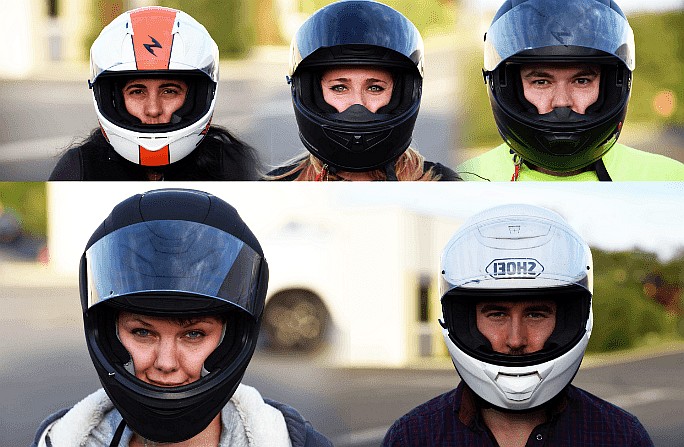
Any non-driving activity is a potential distraction while driving,

Cell Phone Use

Any non-driving activity is a potential distraction while driving, but texting has become one of the biggest distractions on the road. 3,477 people nationwide were killed in distracted-driving incidents.

_______________________________________
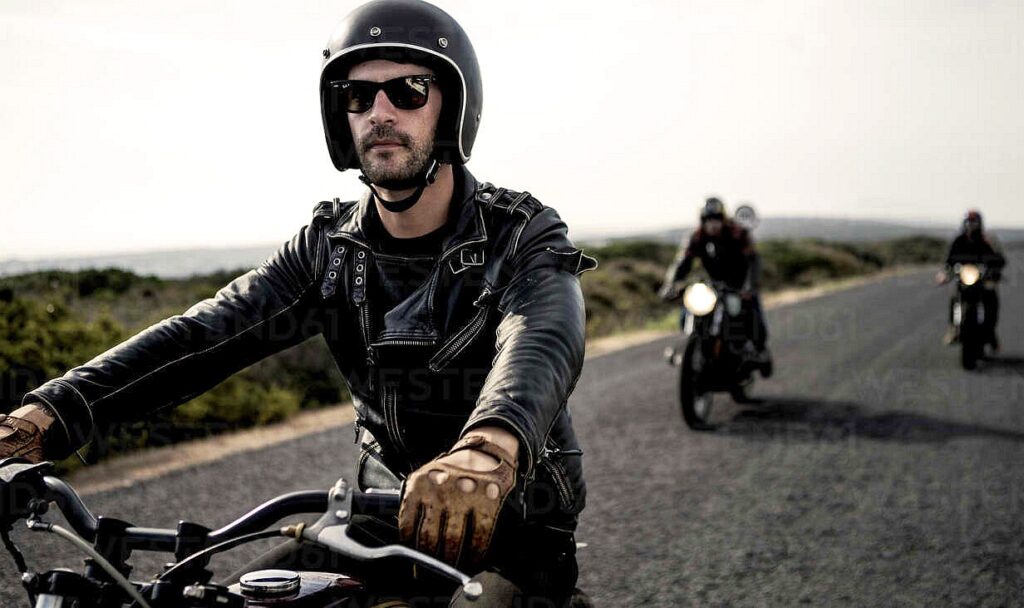
Driver Impairment

Driving under the influence weakens your coordination and reaction time. Alcohol and drug impairment account for 57% of all motorcycle fatalities. Impaired riding threatens your safety and the safety of others around you.

_______________________________________
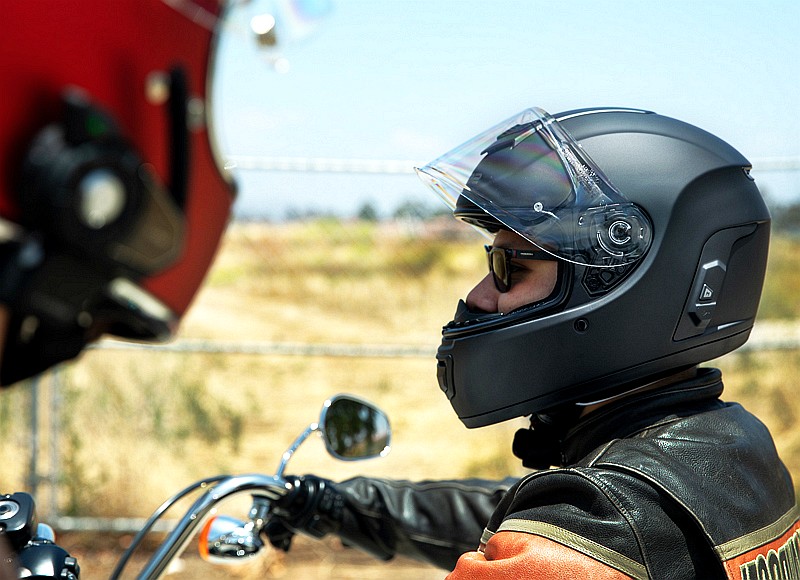
Law enforcement officers aren’t targeting motorcycle riders or anyone specifically, but are instead looking to see where and when collisions are happening. Crash data guides the locations and times to enforce traffic violations.

High visibility enforcement is education and media combined with law enforcement efforts to change dangerous driver behaviors and reduce serious traffic crashes.

_______________________________________
Moust of all, Remember that Always You Can:

Choose Your Destiny!

Visit our website if you want the perfect wheels!

Original Article: https://bit.ly/2UZ2y7S

Happy
Happy
0 %
Sad
Sad
0 %
Excited
Excited
0 %
Sleepy
Sleepy
0 %
Angry
Angry
0 %
Surprise
Surprise
0 %

Essentials Things “First-Time Motorcycle Riders” Need to Know!

Read Time:16 Minute, 14 Second
When you’re a new rider, there’s a lot of information to take in.
Nothing feels quite like finding the perfect bike. As the weather continues to warm up (in between these nasty storms), more people are choosing to ride a motorcycle for the first time.
This is great, but when you’re a new rider, there’s a lot of information to take in. In order to help keep you, and everybody else on the road who you’re riding around, we’ve compiled a list of the basic things you need to keep in mind before you twist the throttle for the first time.
Above all, we hope you’ll do two things for many years after your first time: have fun, and ride safe. Read on for Everything First-Time Motorcycle Riders Need to Know.

_______________________________________
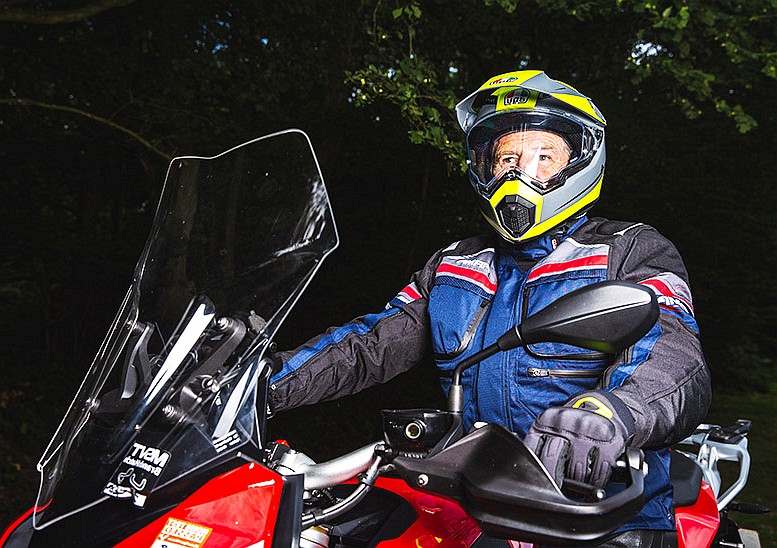
Target fixation is a major problem when you first start riding.

Look Where You Want To Go

Target fixation is a major problem when you first start riding. The single most important thing you can learn about piloting that bike is this: you’ll go wherever you’re looking. So if you’re looking at the ground up ahead, that’s where you’re going to go.

Look far into the distance and observe what’s going on around you, and you’ll keep going that way.

This is an especially important thing to think about when you’re approaching corners. Look through the corner, not down at the ground somewhere in the middle. Is there a median separating the two directions of traffic? Are there potholes?

Any other road hazards to avoid, such as pieces of someone’s junker that have fallen off in the road? Small animals, children, or other pedestrians? A huge part of riding is just looking ahead and anticipating what you’ll do in any given situation. Play “what if?” games with yourself often and you’ll keep the shiny side up to ride another day.

In addition, you can use turning your head as another signal to drivers around you that you’re going to be moving or turning. Anything that will make other people see or pay attention to you is a good thing, even it’s just as subtle as turning your helmet to the left.

_______________________________________
When you ride on the street, you need to pretend everything and everyone is out to hit you

Ride more defensively than you drive

This might sound slightly over the top (it’s really not at all), but when you ride on the street, you need to pretend everything and everyone is out to hit you. A lot of people aren’t looking for motorcycles on the road.

They’ll see your car, but they might not necessarily see your bike, even if it’s flaming metallic orange. We’ve all been irritated by those assholes who text or otherwise aren’t paying attention. Keep in mind that what’s irritating and possibly damaging to your car could total your bike, as well as seriously injure or kill you. The stakes are much higher when you ride. We’re not trying to scare you off. You just need to accept that fact and do what you can to lessen your risk so you can keep riding long into the future.

You can’t do anything about other people on the road, except maybe tell everyone you know to pay more attention to motorcycles when they’re driving. What you can control is how you ride. Pay absolute attention before and at every single intersection.

We’re not just talking street corners. We also mean alleys, parking lots, drive-thrus, gas stations, anywhere a vehicle is going to try to enter moving traffic from a stand-still. Scan ahead with your eyes to note any possible traffic dangers in your way. Is there a lane merge up ahead? Construction? A utility truck doing some work? An accident? Does a cop have someone pulled over?

All these possibilities may lead to someone who wasn’t paying attention suddenly deciding that they have to merge into your lane RIGHTNOWRIGHTNOWRIGHTNOW without looking first. Just a second’s inattention can mean someone sideswipes you because they didn’t see you. By anticipating potentially dangerous situations up ahead, you’ll be ready to move out of the way or brake as necessary.

Also, don’t draft semis and don’t ride in anyone’s blind spot. Ride up ahead of them or far enough behind that if they suddenly switch lanes without signalling, you won’t get hit. These are good rules of thumb to prevent being sideswiped. If you can see yourself in someone’s mirror, they can most likely see you. (You know, as long as they’re actually using their mirrors.)

_______________________________________

Don’t panic if you forget to turn it off once or twice

Don’t forget to turn your choke off

Also, don’t panic if you forget to turn it off once or twice. Most new bike owners will do it at least once. You know you need to turn it on to prime the engine after it’s been sitting cold for any length of time, but turning it off isn’t second nature yet. If you leave it on, you’ll be running your bike rich unnecessarily for however long you leave it on past the initial warmup. Over time, this could cause problems — but more immediately, you’ll just be wasting gas.

_______________________________________

It’s not always possible to adjust motorcycle mirrors without a wrench

Adjust your mirrors before you start moving

Unlike a car, it’s not always possible to adjust motorcycle mirrors without a wrench. That’s why you want to check their positioning before you start riding. It’s simple. Just get on the bike in riding position and check that the mirrors are where you need them to be able to see as much as you can around you. If your bike has a center stand, this is especially easy to do while it’s sitting on the center stand. If not, get on the bike and point it straight ahead. Hold the front brake lever if you’re on a downhill incline. Adjust as necessary.

_______________________________________

Motorcycles are powered one of three ways: chain-driven, belt-driven, or shaft-driven.

Do a pre-ride inspection

Motorcycles are powered one of three ways: chain-driven, belt-driven, or shaft-driven. Shaft- and belt-driven bikes require less frequent maintenance than chain-driven ones. Most cruisers are belt-driven, while most sport bikes are chain-driven. BMW isn’t the only company that makes shaft-driven bikes, but they’re the most common bikes on which you’ll find the system.

Why does this matter? When you’re riding a bike, that chain or belt or shaft is what keeps your bike moving. There isn’t a lot to examine on a shaft-driven bike (if it’s broken, you’ll know it), but you should check your chain or belt before you head out. If that chain or belt is in bad condition, or is improperly adjusted, it can break. At the least, that means you’re walking home. At the most, it can cause you to have an accident.

To inspect a chain, turn the rear wheel and watch the chain move. Does it move freely? Do any of the links looked cracked or worn? Is it really, really dirty? Does it seem really loose or really tight? A chain in good condition should move freely and should not be super loose or super tight.

(Proper chain adjustment is its own topic) Chains get dirty as you ride, but it shouldn’t be so dirty that the grime is preventing smooth movement. If a chain gets too dirty, it can get stiff and not move smoothly like it should. That’s why proper bike maintenance of chain driven bikes includes cleaning and waxing your chain regularly. If that chain has broken or missing links, don’t ride it until you replace the chain. It’s not safe.

To inspect a belt, turn the rear wheel and watch the belt move. Does it move smoothly? Does it have any weird cracks or tears, or does it look like it’s been chewed at the edges, or along any of the teeth? If it has any cracks, tears, or jagged edges like it’s been chewed, it’s due for replacement. You probably shouldn’t ride it until it’s replaced.

Finally, check for any oil or other fluids leaking anywhere on the bike. Look at the front forks as well, because they have fluid inside. If the seals on the forks need to be replaced, you may see some fluid seeping out. If anything is leaking, get your bike checked out by someone who knows what they’re doing.

_______________________________________

Some bikes have fuel gauges. Others don’t. It’s not a new bike vs. old bike thing, either;

Know your estimated MPG and fuel capacity

Some bikes have fuel gauges. Others don’t. It’s not a new bike vs. old bike thing, either; it’s often just a style decision by the manufacturer, regardless of the age or type of your bike. If you know your bike’s estimated MPG and its fuel capacity, you can set a trip odometer on the bike to tell you when you need to start looking for a gas station. If you’re out riding some fun, twisty back roads in the middle of nowhere, this makes a huge difference. If you’re only going to be riding in the city, this doesn’t matter as much.

_______________________________________

Chrome gets hot in the sun. Keep that in mind, if you’re riding anything with chrome

Chrome gets hot

It might look good, but chrome gets hot in the sun. Keep that in mind, if you’re riding anything with chrome grips, since your hands will be on those the entire time you’re riding. We recommend wearing armored gloves when you’re riding, anyway. They’ll keep your hands from getting hot (especially if you get summer gloves, which are perforated to provide good airflow), and they’ll protect you exponentially better than bare skin in a crash.

Considering you need your hands to do pretty much everything, you definitely want to protect them. What’s the first thing most people do when they fall? Reach out their hands to stop themselves. Phalange protection is just smart.

_______________________________________

Most riders will go down at some point in their riding career

Denim won’t protect you in a crash

You never want to think about going down. Sad fact is, even if it’s just a minor tip-over, most riders will go down at some point in their riding career. (We know a lot of riders, and only one of them has ridden for years and never been down. Seriously.) You’re more likely to go down when you’re just starting out, since you don’t know how to handle the bike yet.

There’s a huge amount of armored gear to choose from to protect yourself if and when you do fall. Jeans will shred if you have a nasty fall, and you’ll get some terrible (and painful) road rash.

Some companies offer Kevlar-reinforced jeans, which are slightly better, but armored pants are better still because they’ll protect your knees and hips. (Trust us, it’s no fun to not be able to walk for any period of time because you were stupid.) If you’re into motorcycle racing, you already know some of this stuff can look pretty cool, too. Both leather and textile protective gear is available in a wide variety of sizes and styles to suit your personal look.

_______________________________________

Even though it’s hot, wear a couple of layers (or pack some layers in a backpack)

Dress in layers

It’s a hot day. You can’t wait to go for a ride. Even though it’s hot, wear a couple of layers (or pack some layers in a backpack or in your bike’s luggage, if it has it). If you’re riding a long distance, or if you’re going to be out for a long period of time, chances are good the temperature will change.

You’ll feel it more than anyone else when you’re out on two wheels, even if you’re riding a fully faired bike with a big windscreen. On average, going highway speeds makes you feel like the temperature is 10 degrees less than your local weather forecast says it is. Keep that in mind.

Also, most motorcycle gear manufacturers make full mesh jackets for riding in the hottest weather. These have armor in them to protect you if you fall, but allow massive airflow to keep you cool. Staying covered when it’s hot helps keep you from dehydrating or getting sunburned, too. What do you have to lose?
_______________________________________

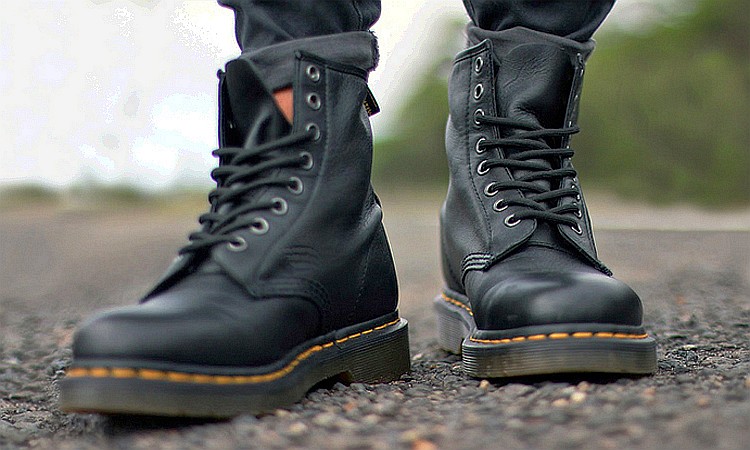
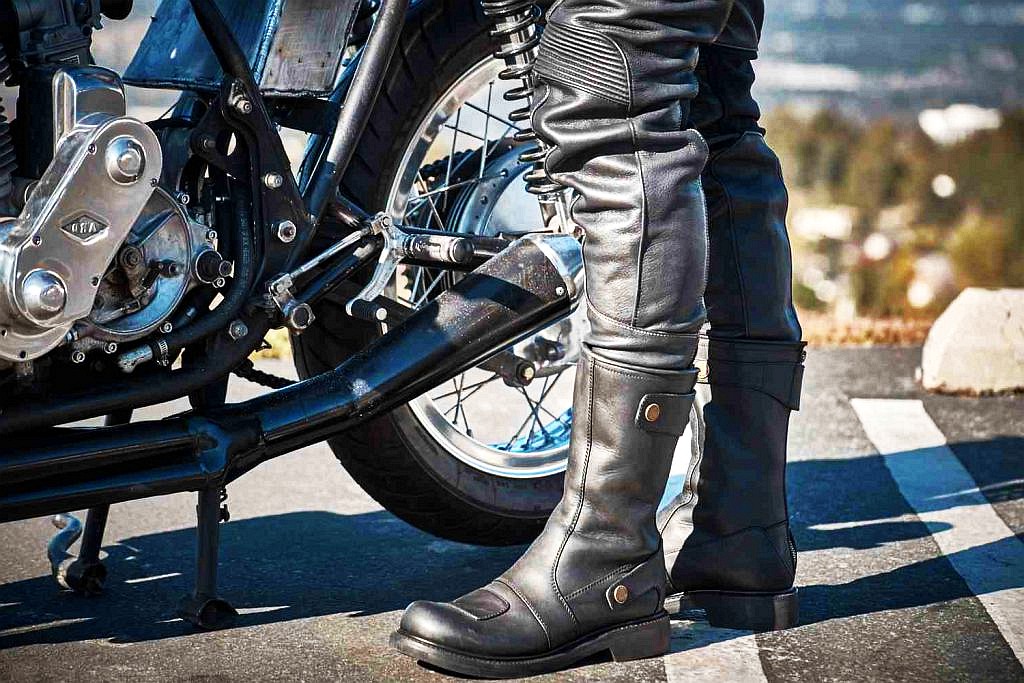
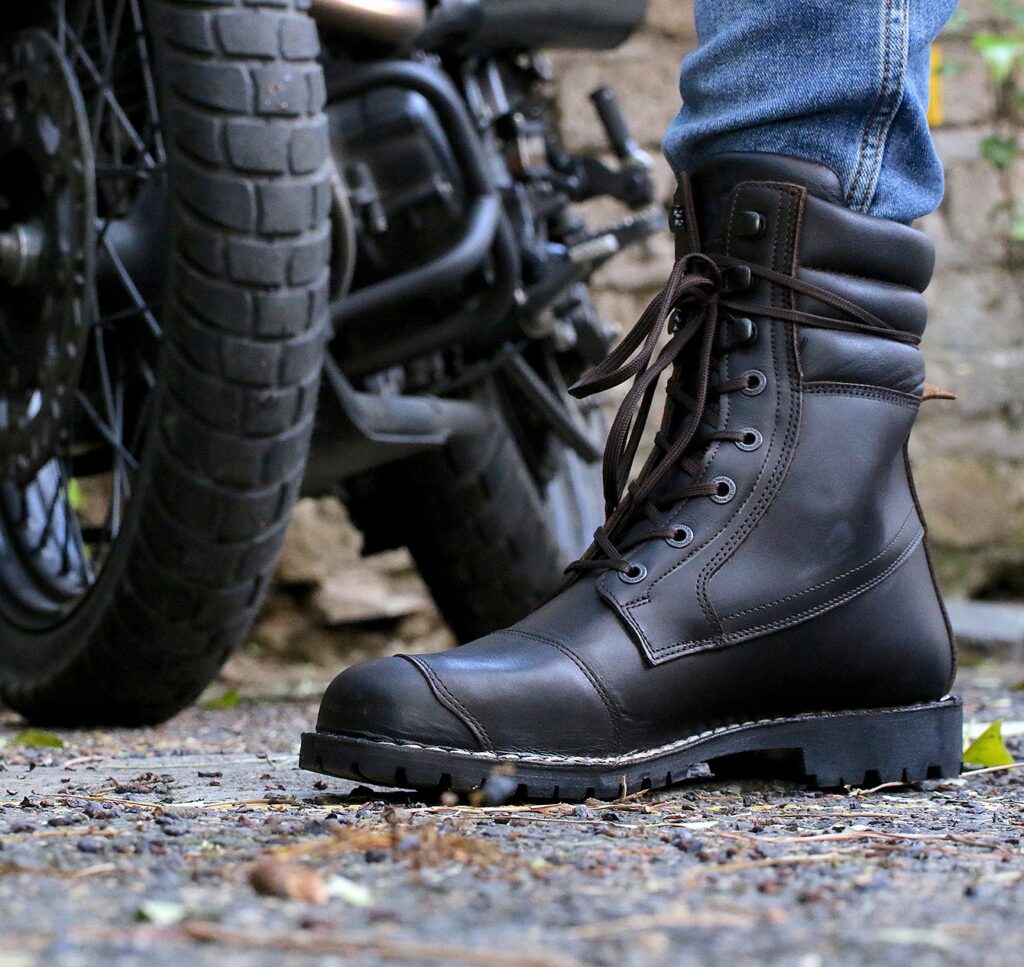
When you put your feet down at a stop, you want to be sure you’re wearing will grip the road securely

Pick footwear with good traction

Roads get slippery for a number of reasons. Rain and snow are obvious ones, but sometimes oil and other automotive fluids drip out all over the road. Steer your bike around any weird puddles you see on the road if you can, but sometimes stuff just coats the surface of the road and makes it slippery and there’s no way to avoid it.

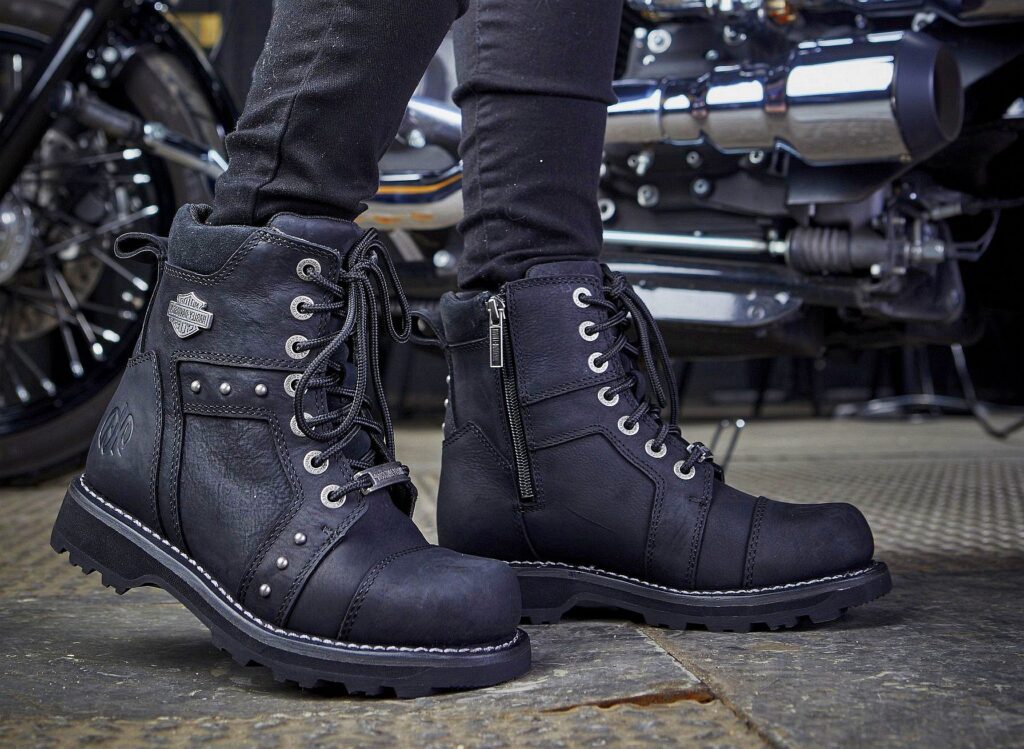
When you put your feet down at a stop, you want to be sure that whatever shoes you’re wearing will grip the road securely, not slip and slide and make you feel like you’re going to drop the bike. That’s another reason why we recommend motorcycle-specific boots, but any good non-slip shoe is better than a slippery-bottomed (but sick-looking) sneaker.

Before you get mad, keep in mind that not all shoes have equal grip on all surfaces. Some shoes might be perfect for a polished wood gym floor, but suck at slick asphalt. Shoe makers make different sneakers to suit different athletic pursuits, so this isn’t exactly a surprise.

_______________________________________

You might want to go out wearing something else on your feet

Standard shifters will scuff up your kicks.

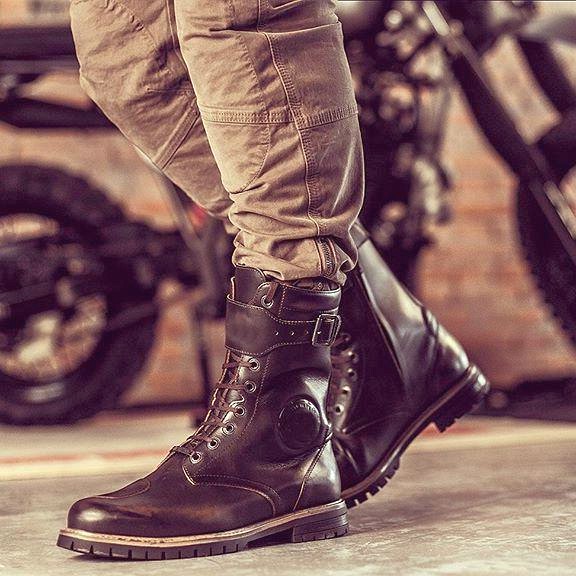
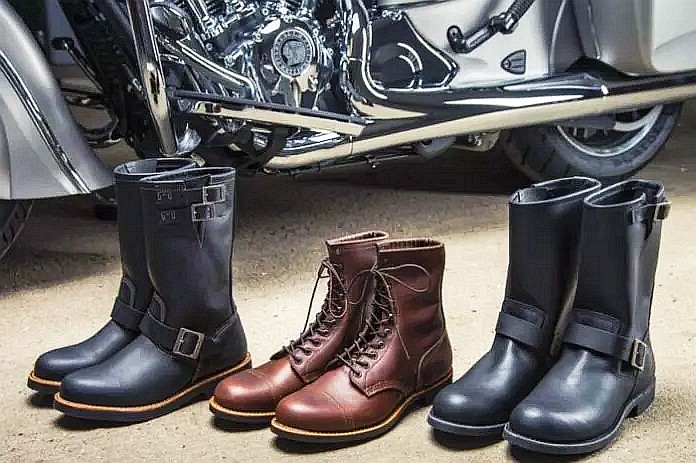
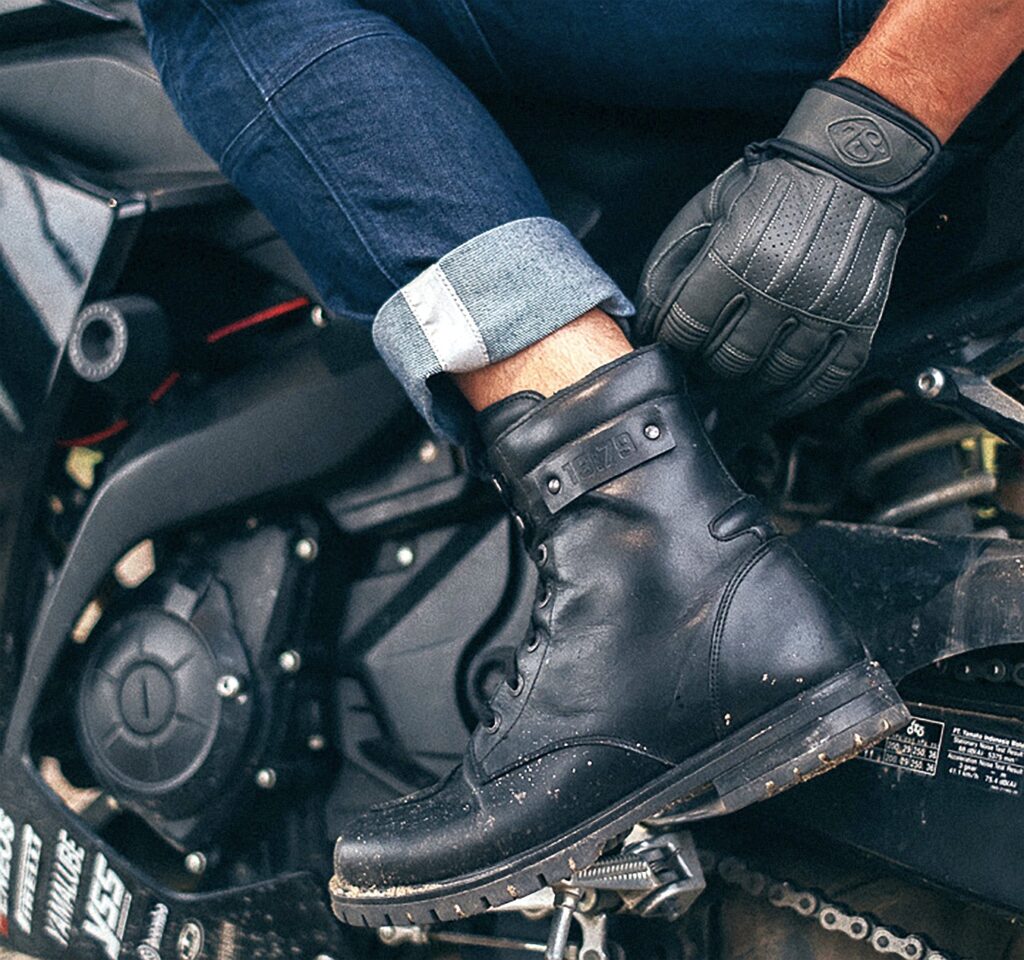
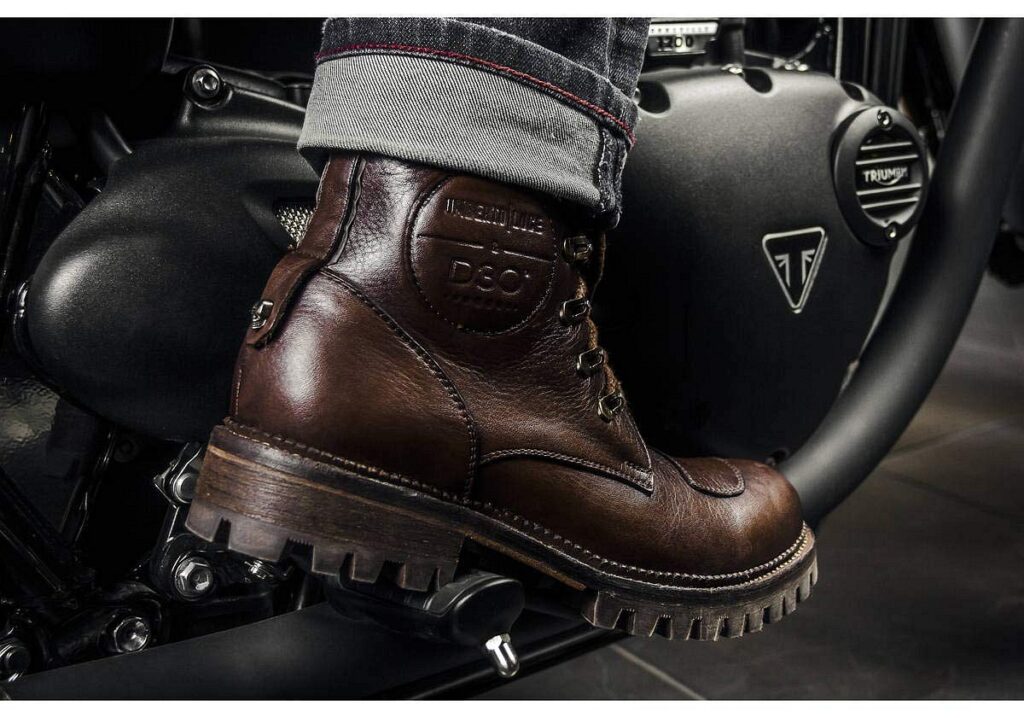
Although we strongly suggest riding with a good pair of over-the-ankle motorcycle boots (they help prevent your ankle from being broken or twisted in accidents, which is nice), you might want to go out wearing something else on your feet.

Unless your bike has a heel-toe shifter (a big floorboard-looking thing that you upshift by pushing the front down with your toes and downshift by pushing the back down with your heel), you’re going to scuff up whatever shoes you wear. Many motorcycle-specific boots have shifter pads on them that take all the damage, so the rest of your boot stays nice and scuff-free.

This is also one of the many reasons it’s a bad idea to wear flip-flops or other sandals while riding a bike. Safety issues aside, it’s going to hurt your foot every single time you shift. Who wants that? If you’re going to wear normal shoes, wear shoes you don’t care about scuffing or you’re going to have a sad when you’re done with your first ride.

_______________________________________

Different states have different requirements of motorcyclists

Know local motorcycle laws

Different states have different requirements of motorcyclists. Many states require you to wear a DOT-certified helmet while riding a motorcycle, including New York. Some states have rules that say only riders aged 17 and under must wear a helmet, while others require no helmet at all, such as Illinois.

For the most current helmet information regarding any state in which you’ll be riding, check the Insurance Institute for Highway Safety’s page on the subject.

Helmets aren’t the only thing you need to be concerned about. Even states that don’t require helmets might have other requirements instead. For example, Illinois requires you to wear some type of eye protection if you choose to wear no helmet (this means that sunglasses are legally acceptable). States may also have different rules about whether mirrors are required on your bike.

You can’t go wrong if your low beam, high beam, and turn signals are all working, and if you have both a right and a left mirror on your bike. (Note: Some states only require you to have one mirror).

_______________________________________

Since you’re rolling on two wheels, you need to be especially careful about slow leaks

Check tire condition

Since you’re rolling on two wheels, you need to be especially careful about slow leaks, nails, screws, glass, or anything else that might be stuck in one of your tires. Do a thorough visual check to be sure your tires look like they’re in good condition, with no cuts or nicks or foreign materials lodged in them. Even sharp rocks can cause serious tire damage.

Spin the wheels around so you can see the tire from all angles. It may seem like a small thing, but you’re trusting your life to your rubber. A sudden tire blowout on a car is inconvenient. A sudden tire blowout on a bike can result in serious injury or death, especially if it’s your first time out and you haven’t gotten used to riding yet.

Take a couple minutes to check, and there shouldn’t be any reason you can’t have an awesome time getting to know your bike.

_______________________________________

You should check it on your car regularly, it matters a whole lot more when you’re rolling on only two wheels

Check your tire pressure

You might not pay much attention to tire pressure on your car. Although you should check it on your car regularly, it matters a whole lot more when you’re rolling on only two wheels instead of four. Proper tire pressure means you’ll get the best handling performance out of your bike. Low tire pressure can make your bike incredibly difficult and dangerous to control.

Somewhere on your bike, you’ll find a metal plaque with your bike’s VIN and a bunch of other information, including the proper PSI ratings for your front and rear tires. Use a good tire gauge (ideally one with an analog face, not one of those little metal ones you can find in the dollar bin at any auto parts store; the latter are unreliable) to check your pressure. Then be prepared to add more air if necessary.

Don’t forget to put your valve stem caps back on before you head out.

_______________________________________

This valve controls the fuel flow from your gas tank to your engine

Know if and where you have a fuel valve

If your bike is carbureted rather than fuel-injected, chances are excellent that you’ll have a fuel petcock valve with three positions: ON, OFF, and RES. You’ll already be familiar with this if you’ve taken any MSF beginner rider courses, as well as most similar courses from other riding schools.

This valve controls the fuel flow from your gas tank to your engine. If it’s not turned on, your engine won’t be getting any fuel. As you ride along and your fuel level gets close to empty, the bike will start to hiccup.

It’s important to know exactly where your fuel valve is and where all three positions are so you can reach down and switch it to RES, short for “Reserve,” before the bike shudders to a halt. Ideally, you want to be able to do this without looking, so you don’t have to take your eyes off the road. When you do get down this low, you need to find a gas station ASAP. Don’t forget to turn the valve back to ON before you ride away from the pump.

_______________________________________

Moust of all, Remember that Always You Can:

Choose Your Destiny!

Visit our website if you want the perfect wheels!

Original Article: https://bit.ly/3AJaf2t

Happy
Happy
0 %
Sad
Sad
0 %
Excited
Excited
0 %
Sleepy
Sleepy
0 %
Angry
Angry
0 %
Surprise
Surprise
0 %

Breaking Motorcycle Myths, Part #1

Read Time:2 Minute, 32 Second
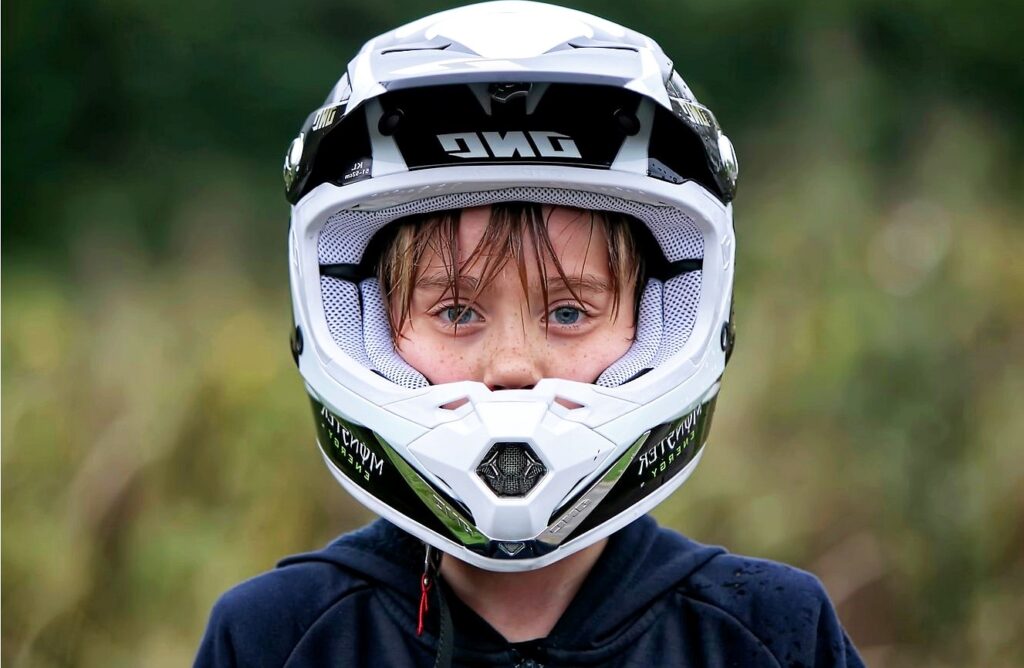
Kids bikers on a motorcycle ride through the city.

Motorcycle Myths to Leave in the Dust: Whether you’re new to motorcycles or have been riding for years, we’ve all heard our fair share of motorcycle myths.

Don’t take someone’s word for it – always do your research. These are some of the most common myths that if taken too seriously, can spell danger on the road.

_______________________________________

Motorcycle braking distance is actually very similar to that of a car.

Motorcycles Can Stop Faster Than Cars

Most riders believe that they can stop faster than other vehicles on the road, and that simply isn’t true. Motorcycle braking distance is actually very similar to that of a car, but cars have a slight advantage mechanically.

_______________________________________

Noise isn’t always the best way to alert those around you.

Loud Pipes Save Lives

Noise isn’t always the best way to alert those around you. Many people are distracted listening to music, illegally texting and driving, or won’t know which direction your loud pipes are coming from. Some of the most common motorcycle crashes are due to hazards directly in front of or to one side of a rider. Motorcycle pipes face the opposite way. Don’t rely on noise to alert those around you that you are coming. Ride defensively.

_______________________________________

helmet will not block central or peripheral vision and actually helps to block the excessive wind noise

Helmets Block Your Vision and Hearing

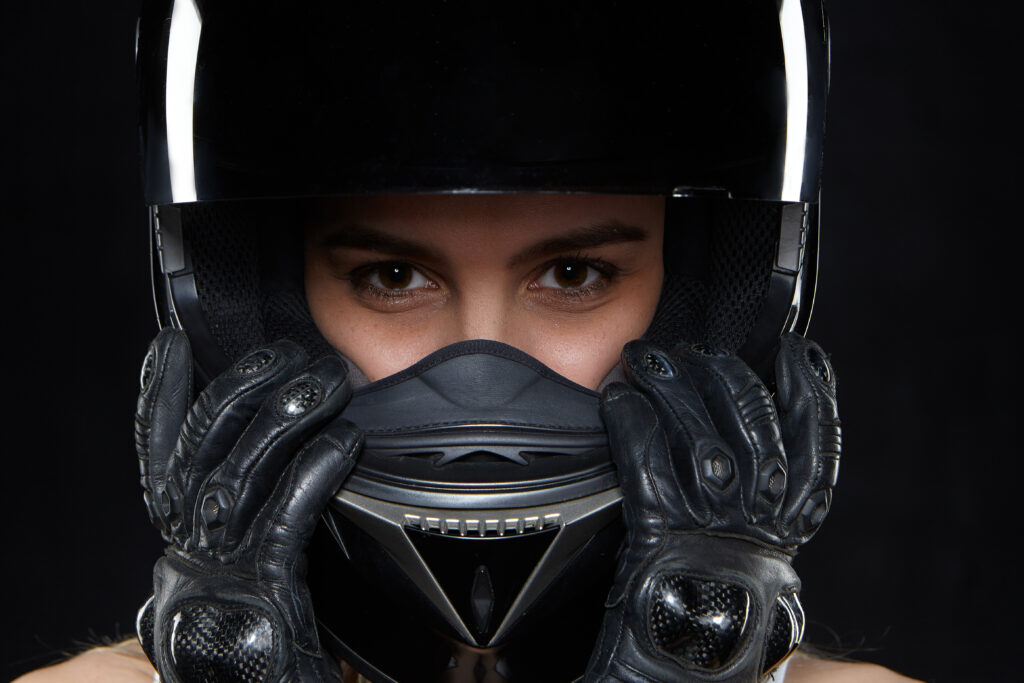
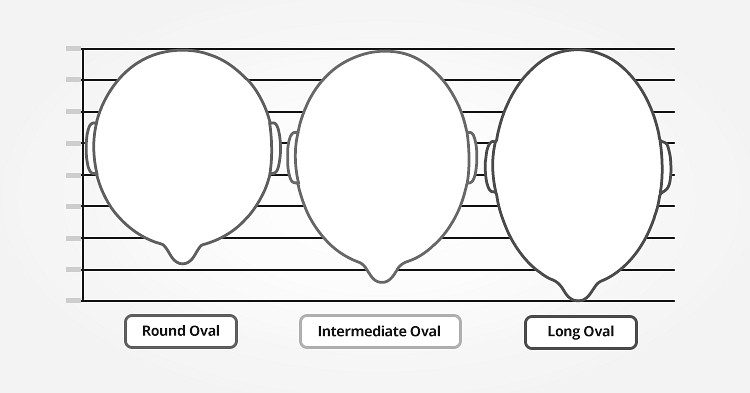
A properly fitting motorcycle helmet will not block central or peripheral vision and actually helps to block the excessive wind noise that can lead to hearing loss. If your helmet does block your vision, it’s not the right fit for you.

_______________________________________

Traveling at slower speeds is safer, but city streets have more hazards.

It’s Safer to Ride on Streets Than on a Highway

The logic behind this myth is that traveling at slower speeds is safer, but city streets have more hazards – cars traveling in multiple directions, pedestrians, intersections, stop signs and signals, the list goes on and on. On a highway, everyone is going around the same speed and traveling in the same direction.

_______________________________________

Techniques taught at track events can be transferred to street riding.

Track Days Are The Same As Racing

Motorcycle track days allow riders a chance to practice safe riding techniques and gain confidence in a controlled and safe environment. While riders do have the option to travel at higher than normal speeds, techniques taught at track events can be transferred to street riding.

_______________________________________

2030

It’s A Fine Line is an inclusive community of motorcycle riders advocating one common mission: zero motorcycle deaths by 2030. We want to share videos and stories about motorcycle events, rides, clubs, gear, safety and training because we believe that together we can save the lives of our friends, our families and our communities.

_______________________________________

Moust of all, Remember that Always You Can:

Choose Your Destiny!

Visit our website if you want the perfect wheels!

Original Article: https://bit.ly/2UvB9dn

Happy
Happy
0 %
Sad
Sad
0 %
Excited
Excited
0 %
Sleepy
Sleepy
0 %
Angry
Angry
0 %
Surprise
Surprise
0 %

Riding a motorcycle at night: A Very Different Experience… Good or Bad?

Read Time:2 Minute, 31 Second
Rider with black cuscom motorcycle on the road at dusk

Keep These Things in Mind if You Riding at Night:

_______________________________________

Night riding also comes with its own set of hazards
Riding a motorcycle at night is a very different experience. Some riders love it, while others avoid it at all costs.
Night riding usually means less traffic and more open space, but also comes with its own set of hazards. Always prepare for colder temperatures with warm clothes, and have a toolkit on hand so you’re not stuck on the side of a poorly lit road. Consider the following to avoid distracted drivers, hazards on the road and being blinded by the light.

_______________________________________

Riding after dark comes with its own set of risks

Traffic

Even with fewer vehicles on the road, riding after dark comes with its own set of risks. Drunk and impaired drivers are more likely to be out at night. That car coming up behind you might be the only one you see in your mirrors, but it’s important to ride just as cautiously as you would in the peak of rush hour.

Keep in mind that oncoming traffic might not have the courtesy to turn their high beams off as they approach you. If you find yourself being blinded by a passing car, try to keep your eyes on the painted white lines along the right side of the road until the car passes. You’ll be able to keep track of your lane without losing your vision.

_______________________________________

Day or night, it is your job to make sure other vehicles on the road see you

Visibility

Day or night, it is your job to make sure other vehicles on the road see you. You should always practice defensive riding and avoid unsafe situations. At night this means putting a big emphasis on high-visibility gear. Invest in reflective gear and always check to make sure your lights are working before starting your ride.

_______________________________________

You should only be riding as fast as you can see.

Speed

From 2016 to 2020, 49% of fatal motorcycle crashes involved speed and lane departure. You should only be riding as fast as you can see. Less light on the road means less time to react to what would normally be an easily avoided pothole. While the speed limit might be 60 mph, it doesn’t mean you have to go that fast. Always scan the road ahead for animals or debris that may get in your way, and slow down.

It’s A Fine Line is an inclusive community of motorcycle riders advocating one common mission: zero motorcycle deaths by 2030. We want to share videos and stories about motorcycle events, rides, clubs, gear, safety and training because we believe that together we can save the lives of our friends, our families and our communities.

_______________________________________

Moust of all, Remember that Always You Can:

Choose Your Destiny!

Visit our website if you want the perfect wheels!

Original Article: https://bit.ly/3hPs8E7

Happy
Happy
0 %
Sad
Sad
0 %
Excited
Excited
0 %
Sleepy
Sleepy
0 %
Angry
Angry
0 %
Surprise
Surprise
0 %

Trail Braking is More Than Essential for The Street Rider. Learn Why!

Read Time:7 Minute, 18 Second

You may have heard people say the trail braking is a race track only technique, but we would argue that trail braking is even more important for the street rider, especially while turning a corner.

We can honestly say that once we got our head around trail braking in a corner, it was one of the techniques that made some of the most dramatic improvements in our riding. Not only did it make it safer to turn the corner, but it also helped us accelerate faster out of the corner.

_______________________________________

Trail braking helps the motorcycle change direction

Why Do You Need Trail Braking?

Trail braking helps the motorcycle change direction, so that you can get into and out of corners more efficiently. But more importantly, trail braking gives riders many more options for dealing with unpredictable conditions and unfamiliar corners.

When you enter a corner too fast, you have two choices; add a more lean angle, increase risk, or slow down.

Can You Brake While Turning The Motorcycle?

But we’ve all been told that going to the brakes in a corner is dangerous.
Trail braking is different.

What Is Trail Braking?

In the context of motorcycling, trail braking is trailing off the front brake as the motorcycle begins leaning. You are braking past the point where the motorcycle tips in, focusing on the front brake. Applying the rear brake while the bike is leaned over is extremely risky, so for clarity, trail braking is primarily a front brake technique.

Riders with motorcycles with linked brakes, fear not; your motorcycle will behave just fine for trail braking. And no, this is not just a sport bike thing either. Trail braking works on
every kind of bike, from cruisers, touring bikes, adventure bikes, and even scooters.

Now, I know most beginner rider programs teach that you need to do most of the braking before the corner and then gradually accelerate through the rest of the turn.

_______________________________________

But there are some real problems with this technique.
And if you learned to ride in America, you probably had the phrase “Slow, Look, Press, and Roll” drilled into you by your rider coach.

But there are some real problems with this technique. First, if it’s a blind corner and you don’t know how tight it is, how do you know how much you need to slow so that you can gradually accelerate through the rest of the turn?

And if you don’t know how tight it is, how can you possibly know how much you can accelerate before you’re going too fast?

Second, why would you want to accelerate when you can’t see what’s ahead?

And finally, when you try to accelerate and turn, you are fighting two
opposing physics forces. Let’s talk about the physics part first.

When we slow, the weight of the motorcycle shifts forward, and the forks compress. When the forks compress, your wheelbase is shortened.

The rake and trail numbers decrease, and the motorcycle becomes less stable in a straight line, and now wants to change direction.

In effect, no matter what kind of motorcycle you’re on when you apply the brakes, your motorcycle becomes more like a sportbike. Conversely, when we accelerate, the motorcycle’s weight shifts to the rear and the forks extend. The wheelbase becomes longer, and the rake and trail numbers increase.

_______________________________________

Trail braking is safe because the motorcycle becomes more stable.

Is Trail Braking Safe?

Trail braking is safe because the motorcycle becomes more stable in that it wants to go straight. This means that you can manipulate the bike’s geometry to behave the way we want it to. No matter what kind of bike you’re on when you accelerate, it becomes more like a cruiser.

And herein lies the truth of motorcycling: the more gentle, or wider, the arc of the corner, the faster you can go through it. And the tighter the corner, the slower you must go. Also, to counter steering, we can use the brakes to help us change direction.

Compressing the forks and altering the rake and trail to help the bike change direction, and slowing down, makes the circle smaller until we can see the corner’s exit.

If the turn is tighter than we anticipated, or there’s something unexpected in the corner, we are already slowing down. We are already on the brakes, so we have many options available to us.

We can slow even further. We can alter our path of travel. And we may even be able to stop in the middle of the corner if we need to. If slowing alters the bike’s geometry and makes it want to change direction, and slowing makes that circle smaller, now is where we get to the fun part.

_______________________________________

We can use the throttle to make the bike straighten up.

We can use the throttle to make the bike straighten up – make the circle bigger, and drive out of the corner. This is the safest place to accelerate because we can see where
we are going, and we are trying to go straight.

Ideally, you should use the throttle to accelerate out of a corner and go just wide enough you end up on the outside of the corner. Just don’t accelerate so earlier so aggressively that you end up running wide on the corner exit.

When you try to accelerate through an entire corner, you are giving the bike conflicting instructions. Accelerating alters the bike’s geometry, telling the bike to go straight. You are gathering speed, which is increasing the radius of the corner, making the circle bigger. Not to mention that accelerating when you can’t see what’s in front of you is what we would call “risky.”

Trail braking is working with the design and strengths of the motorcycle to get to a corner with less risk and far more precision. Your past instructors, or other riders, may have told you that braking in a corner is extremely dangerous. And it is.

Going to the brakes, especially just the rear brake, after the motorcycle is leaned over is extremely risky and should be avoided if at all possible. But with trail braking, we’re not going to the brakes mid-corner. We go to the brake sooner, lighter, but carry the brakes for much longer.

“The fastest riders use the brakes the most.” This is quintessentially what that means. As we near the corner entrance, we ease off the rear brake and continue to drag, or trail, the front brake.

Ideally, we continue trailing on that front brake, even if we’re only using one percent of our total front brake’s ability until we arrive at the apex and we can see the exit of the corner. Ok, perhaps some of you are thinking: “I do that, but I coast into corners, and I accelerate back out.” That’s good, but what do you do if the corner is tighter than you anticipated? Do you add more coast?

_______________________________________

By using the brakes, we are the ones in charge.

By using the brakes, we are the ones in charge.

We determine if we want to brake more or less. We have ultimate control over our rate of forwarding velocity. Coasting is engine braking, and engine braking is like braking with just the rear brake, which isn’t so good. Not to mention that engine braking negates all of the bike geometry benefits we get from using the front brake.

If this is brand-new to you and you want to start trying it out, start by using a squishy ball. Practice squeezing and releasing the ball slowly. Extend this practice to every input you give your motorcycle.

It doesn’t matter if we’re moving the bike around in the garage or heading into a blind corner. Practice always gently squeezing the lever. As you start practicing this on your daily rides, don’t go out and brake as hard as you can, all the way to the apex of the corner.

Start by riding like you normally do. Slowing before the corner, but begin by simply releasing the front brake lever far more slowly than you normally do.

This is a great way to learn how the brakes affect the motorcycle, and become comfortable with these techniques slowly, instead of all at once.

The tire can hold a lot of force, but not suddenly; if we get good at adding and subtracting brake force in small increments will get good at never overcooking a corner.

_______________________________________

Moust of all, Remember that Always You Can:

Choose Your Destiny!

Visit our website if you want the perfect wheels!

Original Article: https://bit.ly/2TpCQJd

Happy
Happy
0 %
Sad
Sad
0 %
Excited
Excited
0 %
Sleepy
Sleepy
0 %
Angry
Angry
0 %
Surprise
Surprise
0 %