Breaking Motorcycle Myths, Part #2 (You Need To Be Very Strong To Ride A Motorcycle! Nah, just joking)

Read Time:7 Minute, 57 Second
There are lots of different motorcycles on the market today, from cruisers to dirt bikes. There is one thing they all have in common, they all are all different sizes and weights.
You don’t need to be a weightlifter to ride a motorcycle, but you need enough physical strength to handle your motorcycle. When the bike is on the move, little upper body strength is required; you need to be calm, in control, and aware of other road users. You also need the mental strength to ride securely and safely.

Unfortunately, many people are apprehensive about riding a motorcycle because they don’t think they have enough strength, but anybody of any size can take it up. This article will expand more on what you get the hang of as a first-time motorcyclist.

1. Is It Hard To Hold Up A Motorbike?

_______________________________________
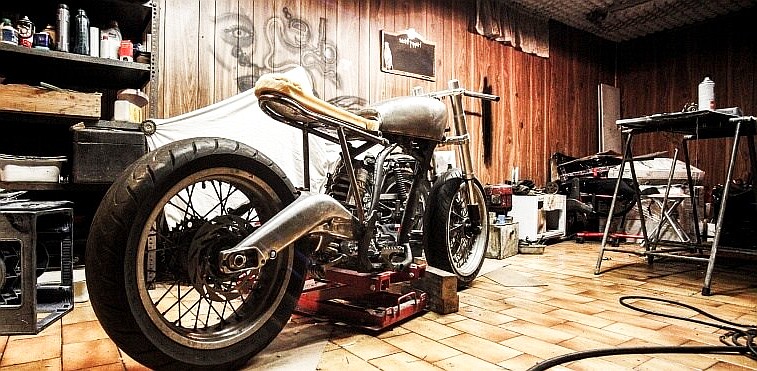
Most sporty bikes take little effort to handle.

This concern is understandable, most motorbikes look powerful, and it’s natural to think that you need to be exceptionally strong to hold it up. Cruiser bikes can be quite heavy, and you may need to be quite strong to handle one. However, most sporty bikes take little effort to handle. Some little upper-body strength can help, but you don’t need to be athletic. There are three occasions when the weight of the bike can be an issue:

A) SLOW-SPEED MANEUVRES

If you are trying to turn at a slow speed, like five mph, you will feel the bike’s weight more, but knowing what to do with the clutch is more critical in this situation than being physically fit. However, you need to understand how to use the strength you have more than any other point in motorcycle riding. To get out of a cramped parking area, be sure to have a foot ready to put down when necessary.

B) MOVING WITHOUT POWER

Motorbikes are bulky, heavy, and large machines; even the average street bike weighs about 300 pounds. Be aware that there will be times when you could get stuck moving that weight about. For example, if the battery died, you would need to roll your bike to build enough momentum for the engine to turn. This could be difficult if you are on a level surface rather than at the top of a hill. Another scenario is if you need to put your bike on a trailer and can’t get it up a ramp. You may need people to help you; this can happen to the strongest motorcyclists.

C) WHEN THE BIKE FALLS OVER

This is a frightful situation to be in with your bike, but it happens even to the most experienced motorcyclists. Some people can pick up their bikes themselves while others need help. But you shouldn’t let this deter you from taking up motorcycling. It’s critical that you are at ease with your machine and that you grasp the proper way to ride; this means lots of practice.

2. Is Learning To Ride A Motorbike Hard?

_______________________________________
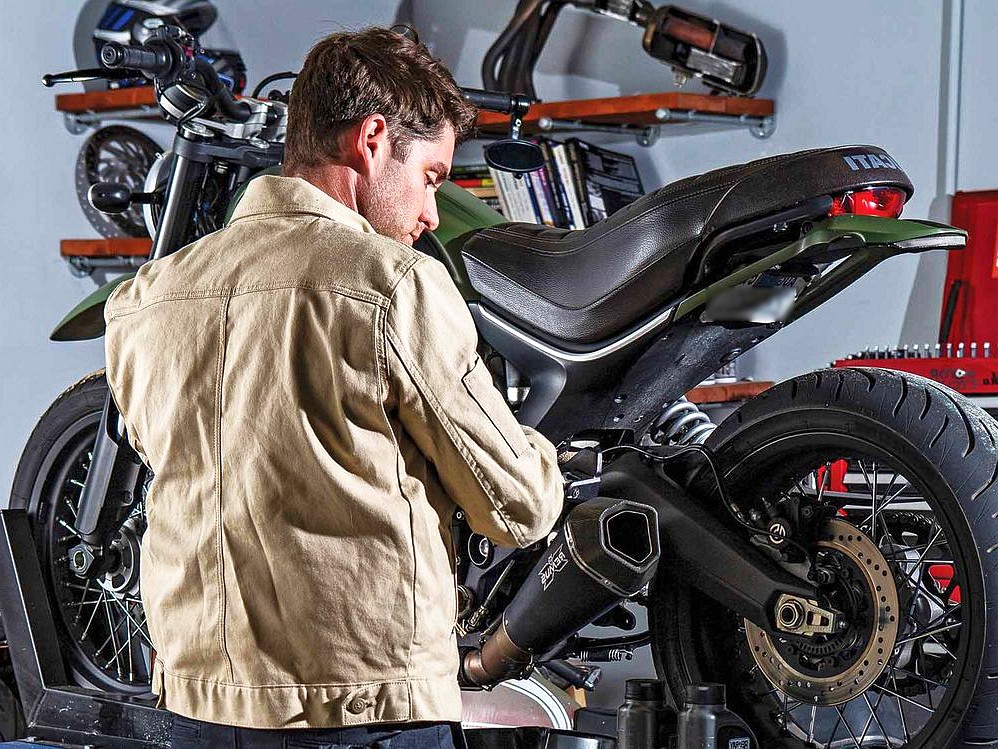
Learning to ride a motorbike is easier than most people believe.

Learning to ride a motorbike is easier than most people believe. They are not very complicated machines requiring expert skill levels to get started; really, all they are, are bicycles with engines. If you can pedal a bicycle, you can easily transition to a motorcycle. Balance is fundamental to motorcycle riding, much like bicycles. Then you must learn to control the speed and change the gears, turning, and braking. If you’ve never cycled before, mastering the balance doesn’t take very long.

How long it takes you to learn motorcycle riding is up to you as everyone progresses at different rates, some people can learn it in one day while others need several weeks. Take your time with the learning process and examine the following steps to help you get riding:

A) GEARING UP

Riding a motorbike comes with risks. But to minimize them, it’s essential to wear the right gear to protect yourself in the event of a crash. You must wear gloves, a helmet, durable boots (covering your ankles), a motorcycle jacket, and pants. If you’re not certain what kind of riding you plan to do mostly, street, on-road, off-road, adventure, etc., it’s best to stick to basics like Dynaeema or Kevlar.

B) CHOOSING YOUR MOTORCYCLE

Do not be too concerned about the model or make of your bike, but instead pay attention to the power ratio and weight. As a beginner, you need a light bike somewhere in the range of 250-650 cc, but you can move to bigger and more powerful machines as your riding abilities improve.

With that said, there is no particular motorbike for beginners – anyone can be a good first bike. However, you will know which one is right for you when you sit on it and get a feel for it. You need to feel balanced, and you should feel comfortable putting both feet down on the ground. Ask yourself, can you get on and off with ease? Can you hold it on the side stand? Are you happy with your seating position?

_______________________________________
There is no particular motorbike for beginners – anyone can be a good first bike.

Once you have sat on the bike, move it back and forth. Put the motorcycle on the center stand and move it around a bit. You must be sure that you can easily handle the motorcycle whether you are in or off the saddle.

C) BRAKING

Before you begin moving your motorcycle, you must understand how to brake properly. The rear brake is the pedal to your right, and the front brake is the lever on the right handlebar. To slow down your bike or make a complete stop, use both brakes simultaneously. Make sure to apply the rear brake by stepping on it and press the front brake lever gradually and steadily.


Do not stamp down hard on the brakes, as the wheels could lock and put you off balance.
Slowly push down the rear brake and pull the brake lever gradually to achieve controlled, smooth braking.


Practice braking when the motorcycle is still standing, roll forward slightly and press down the rare brake. Repeat this step by pressing on the lever and engage the brakes without catching the wheel discs too quickly.

D) CLUTCH AND THROTTLE

Once you have mastered braking, it’s time to ride your motorcycle and get to grips with the controls. New riders are often nervous about shifting gears, but you will get the hang of it with practice. There are five gears on a motorbike, first is down, then neutral, all the way to the fifth gear.

You must select the gears by bringing the clutch lever in. To get going with the bike, press on the clutch lever, then put it in first gear. Slowly roll the throttle while releasing the clutch, as you would with a car. When the bike is in motion, slowly release the clutch and add a bit of throttle. When you are at higher RPMs, take in the clutch lever fully, and accelerate less, before engaging second gear. For slowing down the bike, move the gears down to first gear and put it in neutral when you have stopped. Keep doing this until you have mastered gear shifting.

E) TURNING

Once you get used to the controls and feel confident, you can move on to turning the bike. You have to contend with U-turns, corners, and all sorts of tight spaces. When you turn corners, your bike will naturally incline into the corner. Go with that movement instead of just relying on your handlebars. Maintain a steadied throttle and look where you are going. Look through the corner to help you stay balanced. This will help you to avoid a crash or to stall.

_______________________________________
Once you get used to the controls and feel confident, you can move on to turning the bike.

F) KEEP PRACTICING

When you have finished a motorcycle course and obtained your license, you are ready to ride. Of course, as a beginner, you need all the practice you can get. However, start slow, practice riding quiet roads, and be mindful of traffic safety before hitting highways and interstates. As you get more used to riding, the controls will become second nature to you. Just remember to start slowly, refine your abilities, and, more importantly, relax.

3. Final Thoughts

_______________________________________

Riding a motorcycle is more about balance and has little to do with physical strength.

As you can see, riding a motorcycle is more about balance and road safety awareness and has little to do with physical strength. As a beginner, you must think about how to navigate your bike safely. It may help you to take a course with the MSF. There you will learn the fundamentals from an experienced instructor in a controlled and safe environment.

When you are new, do not bite off more than you can chew, and just because riding a motorcycle doesn’t require brute strength, you still have to use the power you have to control the bike. Make sure you feel really comfortable with your bike and that you can balance it easily. Understand your limitations, and get more practice should you need it.

_______________________________________

Moust of all, Remember that Always You Can:

Choose Your Destiny!

Visit our website if you want the perfect wheels!

Original Article: https:/ https://bit.ly/3CqQ1uW

Happy
Happy
0 %
Sad
Sad
0 %
Excited
Excited
0 %
Sleepy
Sleepy
0 %
Angry
Angry
0 %
Surprise
Surprise
0 %

Make a Motorcycle Helmet Fit Better! Learn How To Do It.

Read Time:9 Minute, 3 Second

Our heads come in all shapes and sizes and so do helmets. Making your helmet fit better is easy once you know-how.

There are a few ways to make your motorcycle helmet fit a little better, it may not just be the circumference of your head but the shape. Did you know that we all have different shaped heads? There are round oval heads, an intermediate oval head, and you’ve got a long oval head.

_______________________________________

You need to figure out is what internal head shape you need.

Now that you’ve narrowed down the style of the helmet you’re looking for the most important consideration you need to figure out is what internal head shape you need.

While all these helmets might look identical from the outside they each represent a different internal fit. You’ve got a round oval head, you’ve got an intermediate oval head, and you’ve got long oval heads.

A round oval helmet is going to be slightly shorter front to back with a bit of additional room at this side of the head. The intermediate oval helmet is a little bit longer front to back, slightly narrower at the side of the head and then a long oval helmet is going to be long front to back and narrow at the temple.

Purchase only the helmets that match up with what your head shape. If you find yourself in between two different head shapes just keep in mind the most popular shape for the American market is intermediate oval.

Every helmet that we’re going to discuss will carry a Department of Transportation or DOT sticker associated with it, which means that it’s legal for street use in the United States. You might see some other safety ratings out there like Snell or ECE, we’re not going to cover those in this article.

Regardless of what helmet price point you’re shopping at, or what safety rating you’re looking for all the sizing information in this article will apply to all helmets.

_______________________________________

Now figure out what size you want to go with and to do that you need.

Once you’ve determined the style you’re looking for and the shape that you need, all that’s left is to figure out what size you want to go with and to do that you need a soft tape measure and a trusted friend.

Choosing the correct size helmet is the final step in the selection process.

What you need to do is have your trusted friends stand behind your head and take that soft tape measure and measure around the crown of your head.

The reason that we would recommend having a friend take this measurement is that typically it leads to a more accurate result.

Once you have that measurement you should match it up with the manufacturer size chart on their website product page you purchase from. I say this because different manufacturers have different size charts so you want to make sure you’re using the chart that’s associated with the helmet you’re looking at.

Even after this is all said and done some helmets still tend to run a little bit larger and a little bit small, make sure to check out any specific notes on the helmet that you’re considering.

At this point, you should have a helmet that matches up with your style, your head shape as well as your size. Once it shows up we recommend wearing the helmet around the house for a little bit before you go out and actually ride.

_______________________________________

A correctly fitting helmet will be nice and snug around the crown of your head.

Watch some TV, do the dishes, just don’t ride in the helmet until you’re 100% sure that it fits you correctly.

A correctly fitting helmet will be nice and snug around the crown of your head without any uncomfortable pressure points, if you opted for a full face design the cheek pads should squeeze your cheeks nice and firm.

It should give you what most people would call chipmunk cheeks, you shouldn’t be able to comfortably chew gum. If after about an hour of sitting around in your helmet you feel like it fits you comfortably, congratulations you have got your new lid.

You can check you have the right style, shape and size motorcycle helmet while taking your safety and price considerations in mind. Hopefully, by this point in this article, you’ve had enough information to help you find the correctly sized motorcycle helmet.

If you want the best price for your chosen helmet you can always go to your local motorcycle store, check out the correct shape of helmet you need then purchase online.

Which Helmet Is Right For You?

When you know the shape of your head you now need to find out which helmet will fit your head shape. There are five different types of helmets available to purchase at the moment, we’re going to kick things off by taking a look at the open face helmet.

Open Face Helmet

The open face helmet is available in two different styles, there is the three-quarter design and the three-quarter design actually adds additional protection down around the side of your head. Open face helmets are also available in a half helmet design, which only protects the very top of your head.

_______________________________________

The benefits of an open face helmet is a mass amount of ventilation.

The benefits of an open face helmet is a mass amount of ventilation, they’re going to be easy to get on and off, and they’re not going to feel restrictive when you’re wearing them.

Pros

  • More ventilation
  • Easy To Get On and Off
  • Less Restrictive

The main drawback of an open face helmet is that there is no protection for your face or your eyes. I mean no protection in the event of a crash but there’s also no protection from the elements, so if it begins to rain or it gets cold you’re going to get all of that right in your face.

Cons

  • No Face Protection
  • No Eyes Protection

For a bit of additional protection let’s take a look at a full-face helmet.

Full-face Helmet

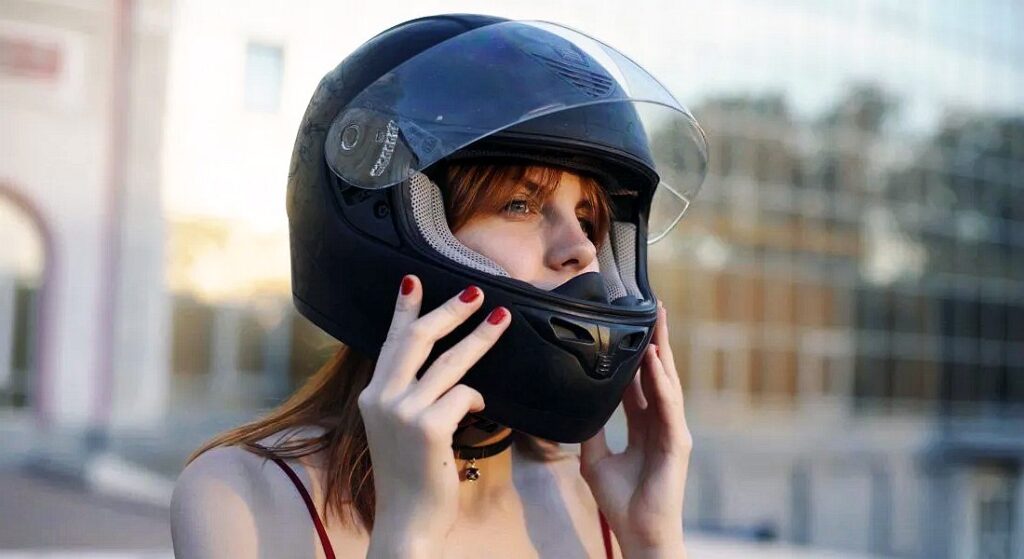
The full-face helmet is the most typical you’ll see on the street and it’s the only helmet you’ll see on the racetrack. You can get full face motorcycle helmets for women as well as men.

_______________________________________

The main benefit here is you do not have the added protection of a chin bar.

The main benefit here is you do not have the added protection of a chin bar, that works its way across the front of the helmet as well as a built-in face shield to protect your eyes.

Another additional benefit to all of this protection is that it’s quieter than an open face helmet when you’re riding down the road.


Pros

  • Built-In-Face Shield
  • Quieter

Some of the drawbacks are it’s a little bit harder to get on and off, and If it’s not fitted correctly it can be uncomfortable and that’s why getting a correctly fitting helmet is so important.

Cons

  • Difficult To Get On & Off
  • Uncomfortable If Not Fitted Correctly

This is a traditional full-face helmet but there are a couple of different varieties on the full face so let’s take a look at those right.

Starting with the modular helmet.

Modular Helmet

The modular helmets have become extremely popular with both touring and commuting riders because the main benefit of a modular helmet is that you can actually open it at the chin bar.

_______________________________________

This allows you to get the helmet both on and off a little bit easier.

This allows you to get the helmet both on and off a little bit easier and when you’re sitting around in the gas station you can eat food, take a drink or simply have a conversation without taking the helmet off.

Pros

  • Chin Barr Opens
  • Easy To Get On & Off
  • Less Restrictive

Some of the drawbacks of a modular helmet are they tend to be a little bit heavier and noisier than a traditional full-face and the chin bar can be a potential point of failure in the event of a crash.

The one note I want to make is that these are not designed to be worn in the open position while riding your motorcycle, so just keep that in mind.

The next variation to take a look at is the ADV helmet

The ADV or adventure helmets are designed for folks that like to ride both on and off-road. The benefits you’re going to see with this is that you have a helmet that’s going to be more comfortable and quiet than a true dirt bike helmet would be on the street.

_______________________________________

The ADV or adventure helmets are designed for folks that like to ride both on and off-road.

You will still be able to use goggles with this, and these are going to be safety rated which means you can use them both on and off-road legally.

Pros

  • Comfortable & Quiet
  • Usable With Goggles
  • Safe On & Off-Road

The drawbacks here are they’re going to be a bit heavier and not nearly as well ventilated as a true dirt bike helmet. They’re still going to have this peak on the top which can cause lift at fast highway speeds.

Cons

  • Heavier
  • Less Ventilation
  • The peak can cause a lift

This is going to take us right into the final variation of a full-face helmet which is going to be a true dirt bike helmet.

Dirt Bike Helmet

A dirt bike helmet is a very specific tool designed for off-road riding. The main benefit you’ll see here is that there’s a mass amount of ventilation, they’re typically lightweight and they’re very easy to clean and maintain.

_______________________________________

A dirt bike helmet is a very specific tool designed for off-road riding.

Pros

  • Lightweight
  • Easy To Clean

Some of the drawbacks, however, is they might not be DOT rated so they might not be street-legal. You’re also going to notice there’s no protection from the elements, they can be a bit noisy and the peak can cause lift at extreme speeds.

Cons

  • Not Always DOT Rated
  • Peak May Cause Lift

We all know after a while our helmets start to smell a bit, you know the pungent smell that comes from years of wearing our helmets in hot weather.

_______________________________________

Moust of all, Remember that Always You Can:

Choose Your Destiny!

Visit our website if you want the perfect wheels!

Original Article: https://bit.ly/3yaul3K

Happy
Happy
0 %
Sad
Sad
0 %
Excited
Excited
0 %
Sleepy
Sleepy
0 %
Angry
Angry
0 %
Surprise
Surprise
0 %

Clean Your Motorcycle Boots! Part #2: Dry Your Motorcycle Boots, Super Quick and Easy

Read Time:5 Minute, 53 Second

This is to all workers, hikers, riders, and anyone who had a bad day with wet boots. Been there, done that. We’re so sick off those wet, damp, stinky boots, and we know you feel the same as well. But no more wet boots, guys. It’s time for the best solution for drying your motorcycle boots.

Looking for some magic to make that happen? Look no further. We’ve put together a whole list of hơ to properly dry your boots without leaving any odor left. And it’s not just that, during your ride, you’ll easily get a splash or catch rain, aren’t you? We will show you how to keep the best motorcycle boots that you love always dry and clean.

_______________________________________

Start with using a soft brush to remove any dirt or debris left on the boots.

What To Prepare Before Drying Your Boots?

First, start with using a soft brush to remove any dirt or debris left on the boots. This will help you remove all the stains and discoloration of your motorcycle boots.

Next, remove all the laces if your boots have any. Or if yours have some straps, open them out as well. This will help to dry them quicker and avoid having stains. If it’s possible, also remove the insoles.

Work in a large, has excellent air circulation space. Lay a clean towel under your working session to prevent any damage to the floor. And now, you’re ready to clean it out!

Best Ways To Dry Your Boots

_______________________________________

1. Boot Dryer

If you tend to say something like it’s such a waste of money, but hold my beer. It will cost you quite a lot at first, of course, but consider this as an investment piece. But since your boots are some of the best motorcycle boots, you will want to protect and take care of it properly. There is no way on Earth you would wish to have bacteria and fungus partying in your shoes, right?

But this is only useful if:
  • You want everything dry and clean over a few hours.
  • You live where it’s always rain and cloudy all the time.
  • You have to drive through muddy places every day.
  • Your boots get wet every time you go out.

Otherwise, if it’s just once in a while, then you can move to the next tip. But if this is just right for you, it will be a good investment product that will be bang for your buck. Also, a boots dryer helps to keep your boots in shape and good condition while drying it out. Thus, if you love a care-free life, just put your motorcycle boots on the dryer, turn it on and let it do the job. Then this is the best way to dry your boots.

_______________________________________

This is the old-school trick to dry your boots, which will work beautifully for all types of boots.

2. The Old School Newspaper Method

This is the old-school trick to dry your boots, which will work beautifully for all types of boots. It’s super useful to suck out all the moisture trapped inside. First, roll up your newspaper and fill up your boots with as much as possible. If you can, cover the outside of your boots with some paper as well to draw out all mixture. Replace the newspaper every 2 hours until the boots are completely dry.

However, on the other hand, you should be careful since the ink on the newspaper can leak and leave stains on your boots. If it’s a darker color canvas or thick leather, then you’re alright.

_______________________________________

As effective as the newspaper method.

3. The Classic Towel Method

As effective as the newspaper method, but if you don’t have enough newspaper, you can use this method instead. Lay your motorcycle boots out on the floor and wrap the towel tight around it. Tuck a smaller towel inside to dry the newspaper from inside out. Then replace the towel after you’ve seen that it’s soaked.

_______________________________________

This household item can be your life-saver when it comes to dry out things.

4. Turn Your Fan On

This household item can be your life-saver when it comes to dry out things. The air that goes through a fan will remove all the moisture from your wet, damp boots. However, you should hang your boots upside down and leave it in front of the fan for a few hours. For a faster result, you can combine this trick with the towel or newspaper method.

What Not To Do When Drying Motorcycle Boots?

_______________________________________

This will only cause damage to the leather and canvas, make it lose original form and shape.

1. Direct Heat Source

It’s hard to resist blowing the hair dryer through your pair of boots to help it dry quicker. Yes, it helps. But should you do it? Absolutely no! This will only cause damage to the leather and canvas, make it lose original form and shape. It even can go further and destroy the glue inside. If you need to dry it near a heat source, mind your distance.

Another heat source that you might think of is the Sun. However, direct sun exposure can cause some severe damage to your boots, including losing form and discoloration. That’s why we recommend not to dry your motorcycle boots near or under any direct heat source to save the life of it.

_______________________________________

The lack of air circulation will take much longer for the boots to dry.

2. Do The Job In Small And Dark Place

The lack of air circulation will take much longer for the boots to dry. This will lead to some harmful effects such as fungus, bacteria, and bad smell all over your motorcycle boots.

How To Keep It Dry All The Time?

_______________________________________

Having at least two pairs of motorcycle boots will help you much better with the drying process.

Having at least two pairs of motorcycle boots will help you much better with the drying process. Or else, you should invest in a boot dryer.

Spray your boots with nano spray to help make it waterproof. With this method, water will come right off your boots with ease after 2-3 coats. Other DIY techniques such as wax or candle can be applied, but we must say that it can’t be as effective as using nano spray or sneakers spray.

And that’s all our tips and tricks on how to dry your boots. We know that you’ve put a quite amount of money into the best motorcycle boots you could find, so it’ll be a waste ruining them with wrong drying methods. Now you can get rid of all the wetness from the rain, sweat, or muddy water with such ease.

_______________________________________

Moust of all, Remember that Always You Can:

Choose Your Destiny!

Visit our website if you want the perfect wheels!

Original Article: https://bit.ly/3rBQq8S

Happy
Happy
0 %
Sad
Sad
0 %
Excited
Excited
0 %
Sleepy
Sleepy
0 %
Angry
Angry
0 %
Surprise
Surprise
0 %

Clean Your Motorcycle Boots! Learn an Easy Way. Part #1

Read Time:2 Minute, 9 Second
In terms of cleaning the boot, warm water and cloth are really all you’re going to need.

Cleaning your motorcycle boots is quite easy with just a few tools

How to clean motorcycle boots? In terms of cleaning the boot, warm water and cloth are really all you’re going to need. You’re should stay away from using soap, it’s quite bad and can ruin the oil resistance of the soles. It can also degrade some of the glues in the boot as well so stay away from using soap.

_______________________________________

You’re should let your boots air dry.

How To Dry Motorcycle Boots

Scrub with some warm water and a cloth, once it’s done you’re should let your boots air dry. Remember leather boots don’t like heat sources so stay away from using something like a hairdryer to dry your boots. If you use a hairdryer it will cause the leather to harden and shrink.

_______________________________________

Brush once more to remove any remaining dirt, once that’s done apply a good wax.

How to Clean Leather Motorcycle Boots

If you have leather motorcycle boots then you should first use a brush to clean off any dirt or salt. Next wipe down the boot with a good quality gentle leather cleaner, using a new clean cloth and wipe again.

Brush once more to remove any remaining dirt, once that’s done apply a good wax. Use leather protector and rub it all over the boot, this will restore and soften the leather while also adding a water-resistant layer.

_______________________________________

How Often Should You Replace Your Motorcycle Boots?

When a boot is nearing the end of its life there are a couple of telltale signs. Your boots could get saggy, so the fit could become really loose.

A loose boot will feel comfortable but it’s also quite dangerous because impact absorption and heat dissipation are all going to be compromised. So if your boot starts to get saggy it’s probably time to replace it.

_______________________________________

Your boots could get saggy, so the fit could become really loose.

Waterproof

The other indicator is if you had to waterproof the boot, to begin with, and it starts leaking badly that’s an indicator. Not only is the waterproofing gone but the structural integrity of the boot as a whole is probably compromised so that would be a good time to replace it.

_______________________________________

Moust of all, Remember that Always You Can:

Choose Your Destiny!

Visit our website if you want the perfect wheels!

Original Article: https://bit.ly/3wPL4bk

Happy
Happy
0 %
Sad
Sad
0 %
Excited
Excited
0 %
Sleepy
Sleepy
0 %
Angry
Angry
0 %
Surprise
Surprise
0 %

Motorcycle Boots Are Very, Very Important! (Life Or Death, that kind of “important”)

Read Time:2 Minute, 33 Second
Purpose-built motorcycle boot.
We didn’t think there was anything different between a purpose-built motorcycle boot and a regular walking shoe. We thought it was basically a “money grab”, so of course, we were wearing regular leather hiking boots when we were out riding.
Inevitably one of our friends dropped the motorcycle on his ankle and crushed it in the process… this is why, all we really believe, motorcycle boots are very important.

_______________________________________

Tthere are big differences between purpose-built motorcycle footwear and regular walking shoes.

Purpose-built motorcycle footwear

We do realize that there are differences between purpose-built motorcycle footwear and regular walking shoe or walking boot, and We’re going to try to break down a few of those for you here. To start off with We are going to talk about safety, this is probably the most important aspect of a motorcycle boot.

First of all, you have armor paneling on a purpose-built men’s motorcycle boots, you also have abrasion-resistant materials. There are heat resistant materials which are really important if you have a crash with all the friction.

_______________________________________

You have souls that are abrasion-resistant and exoskeletal rigidity.

Abrasion-Resistant and Exoskeletal Rigidity

You have souls that are abrasion-resistant and exoskeletal rigidity. The rigidity makes sure the boot isn’t going to be crushed in an impact and also makes sure that your ankle isn’t going to overextend.

After safety comes the function of the boot. Thee is the toe shifter panel on the toe of the boot together with the rigidity in the upper part of the boot. That will give you tight quick gear shifting and really tight quick braking.

_______________________________________

The sole is also going to communicate a lot of touch sensitivity which is good for controlling and connecting with your motorcycle.

The soles of your boot are also quite rigid, quite stiff, more so than in a walking boot. That helps when you’re sitting on the footpegs which gives you a good solid stance, that’s a really good functional advantage of motorcycle boots over a regular boot.

_______________________________________

The most convincing argument is the argument of longevity.

Longevity

We think the most convincing argument for why motorcycle boots are important is the argument of longevity. A regular walking shoe just can’t withstand the oils and grease and the heat that’s coming off your engine, that’s would degrade a walking boot very quickly over time.

Whereas a motorcycle boot is made to withstand the heat and oil and probably most evidently the sole is made to withstand the footpegs sitting in the same position over and over and over again without wearing away.

So hopefully We’ve convinced you to buy a purpose-built piece of motorcycle footwear, save your regular walking shoes for other uses and get all the benefits of wearing good quality motorcycle boots.

_______________________________________

Moust of all, Remember that Always You Can:

Choose Your Destiny!

Visit our website if you want the perfect wheels!

Original Article: https://bit.ly/3ijWjmQ

Happy
Happy
0 %
Sad
Sad
0 %
Excited
Excited
0 %
Sleepy
Sleepy
0 %
Angry
Angry
0 %
Surprise
Surprise
0 %